
Titanium vs Zirconium vs Tantalum: A Green Energy Guide
Short answer: Titanium, zirconium and tantalum are all sold as corrosion-resistant metals, but they resist different media. Titanium is the working baseline for chloride-bearing and oxidising service — seawater cooling, desalination evaporator plates, chlor-alkali equipment, electrolyzer bipolar plates and cell frames — and it has the widest mill-product and fabricator base of the three. Zirconium is specified mainly for hot sulfuric and hydrochloric acid duties that titanium cannot handle. Tantalum covers the most aggressive acid service, almost always as thin sheet, lining or cladding rather than a solid structural plate. The decision is a media-chemistry decision first and a commercial one second.
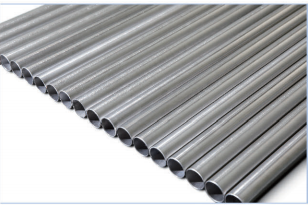
Why “corrosion-resistant” is not a material specification
All three metals protect themselves with a thin passive oxide film, and each film breaks down under different conditions. A purchase specification that says only “corrosion-resistant” therefore transfers the real engineering decision to whoever writes the purchase order. Two consequences follow for green energy projects.
First, the medium matters more than the metal name. Chloride concentration, pH, temperature, aeration, flow velocity, crevice geometry and residual welding oxides all change which film survives. A grade that performs in aerated neutral seawater can fail in the same plant’s hot, deaerated, low-pH excursion. Second, the failure mode is rarely uniform wall loss. Localised pitting, crevice attack, stress-corrosion cracking and hydrogen pickup near welds are the events that take equipment offline, and they are exactly the events that specification language has to address.
The practical rule for procurement teams is therefore sequential: define the wetted environment, list the excursions, and only then ask which of the three metals survives it through a fabrication route you can actually buy and inspect.
Industry background: demand growth meets supply-chain scrutiny
Demand for these materials is increasingly pulled by electrochemical and thermal equipment rather than by traditional heavy industry. Grand View Research values the global titanium market at USD 29.88 billion in 2025 and projects nearly USD 47.96 billion by 2032 (SRC-0001, published June 2026). In the electrolyzer segment specifically, a commercial market report puts the annual market for bipolar plates at USD 227.2 million in 2025, with 41.5% year-on-year growth (SRC-0002, May 2025) — a figure that reflects how quickly plate-based cell designs are scaling.
Headline market sizes deserve care. Published titanium market values differ by an order of magnitude depending on whether titanium dioxide pigment is counted alongside titanium metal, so any single figure should be read as scope-specific rather than as a universal measure of metal demand (SRC-0001, conflict note).
Supply-chain transparency now belongs in the same conversation. Trade-data reporting in October 2026 traced Chinese titanium sheet and plate flows into downstream heat exchanger manufacturing, including shipments from Xi’an Xiangrun to Kelvion India, an industrial heat exchanger manufacturer (SRC-0004). For buyers, that is a reminder that origin, mill identity and documentation are reviewed alongside price, and that an integrated producer with visible process control is easier to defend in an audit than a chain of intermediaries.
Titanium: the working baseline for chloride and oxidising duty
Titanium is usually the first of the three to be evaluated because it covers the largest share of green energy wetted surfaces. Documented comparison data used for this guide gives titanium GR.1 a density of 4.5 g/cm³ — roughly half that of 316L stainless steel at 8.0 g/cm³ — and a typical heat exchanger plate thickness of 0.6–1.0 mm against 0.5–0.8 mm for 316L.
The corrosion case is stronger than the weight case. Titanium GR.1 withstands chloride levels above 100,000 ppm with no risk of pitting, whereas 316L is limited and prone to pitting in high-temperature chloride service. In service-life terms, titanium offers 15–25 years against 5–10 years for 316L, with total cost over 15 years reduced by more than 35% once maintenance and replacement are counted. Against carbon steel and copper alloys the direction is similar: titanium can last 20 years or more in aggressive environments, and typically 2–4 times longer than copper alloys in seawater systems under high flow velocity.
Thermal performance does not suffer as much as raw conductivity numbers suggest. Because plate thickness is comparable and corrugation designs are optimised, actual heat transfer efficiency reaches over 95% of 316L under equivalent operating conditions. Titanium also fouls less and degrades more slowly, so efficiency holds across the campaign instead of drifting downward. Maintenance reflects that: titanium needs virtually no corrosion-related maintenance, only regular cleaning, with gasket inspection every 12 months, and it tolerates a wider range of cleaning agents than 316L.
Limitations belong beside the advantages. Titanium is not the default answer for hot reducing acids, and it is attacked by fluoride-bearing media; those duties are where zirconium and tantalum enter the discussion. Grade selection also needs discipline: ASTM B265 covers annealed titanium and titanium alloy strip, sheet and plate across more than 40 grades (SRC-0005), so “titanium plate” alone is not a complete purchase description.
Zirconium: narrow duty, deep capability
Zirconium earns its place in a different part of the chemical envelope. It is specified mainly for hot sulfuric and hydrochloric acid service — typically chemical reactor linings, acid coolers, heat exchangers and piping in acid-handling trains — where titanium’s oxide film cannot hold and where a tantalum solution would be commercially excessive for the wetted area involved.
Its boundaries are equally established. Zirconium is attacked by fluoride-bearing solutions and is not the right selection for strongly oxidising media, where the passive film breaks down. Welding and forming require qualified procedures, high-purity shielding and clean handling, which narrows the number of fabricators able to deliver certified work.
Commercially, zirconium sits between titanium and tantalum in material cost, but its supply base is thinner and is tied to the zircon and nuclear-grade zirconium industry. For a green energy project that translates into fewer comparable quotations and a longer qualification path than a titanium plate package.
Tantalum: the highest barrier, in the thinnest sections
Tantalum resists most mineral acids, including hydrochloric and sulfuric acid, and is normally the last option considered rather than the first. It is used where the process chemistry defeats both titanium and zirconium, and it is almost always deployed as thin sheet, lining or cladding over a steel structure rather than as a solid pressure part, because solid tantalum equipment would be impractical in both mass and cost.
Its weaknesses are specific. Tantalum is attacked by hydrofluoric acid, by fluorine and by strong alkalis. It is a dense refractory metal, so fabrication, repair and inspection require specialist shops. In practice, a tantalum decision is a decision about who can line, weld and repair the equipment, not only about corrosion rate.
Because a lining uses relatively little metal, the meaningful cost is per square metre of wetted surface rather than per kilogram. That is why tantalum can be defensible on a small, highly loaded component and indefensible on a large shell.
Side-by-side comparison
The table below compares only characteristics that can be stated honestly for the duty in question. Where a quantitative value is not established for a metal in the available evidence, the entry stays qualitative rather than being filled with an estimate.
| Decision criterion | Titanium (Gr.1 / Gr.2) | Zirconium | Tantalum |
|---|---|---|---|
| Chloride and seawater | Primary choice; GR.1 withstands above 100,000 ppm chloride with no pitting risk in documented comparison data | Not the usual selection for chloride-dominated duty | Resistant, but rarely justified where titanium is adequate |
| Hot sulfuric / hydrochloric acid | Not the default; titanium is limited in hot reducing acids | Primary choice | Primary choice where zirconium is also defeated |
| Oxidising media | Compatible with oxidising chloride service such as chlor-alkali | Attacked by strongly oxidising media | Depends on the oxidiser; verify by corrosion test |
| Fluoride-bearing media | Attacked | Attacked | Attacked |
| Typical product form | Plate, sheet, strip, coil, tube; 0.6–1.0 mm typical plate | Plate, tube, liner; qualified welding required | Thin sheet, lining or cladding on steel |
| Mass signal | 4.5 g/cm³ | Heavier than titanium | Dense refractory metal, used in thin sections |
| Supply base | Broad multi-tier mill and fabricator base | Narrower; linked to zircon and nuclear-grade supply | Concentrated, largely by-product supply; due-diligence sensitive |
| Relative material cost | Lowest of the three in general industrial procurement | Between titanium and tantalum | Highest per kilogram; assess cost per wetted m² |
| Documentation base | ASTM B265 batch specification sheet and test report | Per buyer specification; fewer independent cross-checks | Per buyer specification; lining and weld records essential |
Step-by-step selection sequence
The sequence below is written for a joint procurement and engineering review. Each step produces a document or decision that the next step depends on, which is what makes the final rationale defensible in an internal audit or a customer review.
- Write the wetted-environment envelope. Record every stream that touches the part, including cleaning, flushing and shutdown conditions: pH range, temperature range and excursions, chloride and fluoride levels, oxidiser presence, dissolved oxygen, flow velocity, and crevice or deposit risk. Do this before any vendor conversation, so the enquiry is not shaped by what a supplier prefers to sell.
- Screen out by known incompatibility, not by preference. Fluorides attack all three metals, so any free-fluoride stream needs a different solution or an explicit test programme. Strongly oxidising media are hostile to zirconium, and hot reducing acids are not titanium’s duty. This step usually reduces three candidates to two.
- Decide the form before the grade. Solid plate, welded shell, tube bundle, stamped bipolar plate, expanded mesh or lining over steel — each carries a different fabrication cost and a different inspection burden. For tantalum, form decides whether the design is viable at all.
- Confirm the fabrication route you can actually buy. Stamping, forming, welding, pickling and passivation all affect the passive film. Ask for procedure qualification records for the exact grade and thickness, not for the shop’s general experience in titanium.
- Build the lifecycle comparison on replacement interval and downtime. The documented titanium reference point is 15–25 years of service life against 5–10 years for 316L, with more than 35% lower total cost over 15 years once maintenance and replacement are counted. Apply your own downtime cost to that interval, and use identical years and maintenance assumptions for every option.
- Test cost per wetted square metre, not price per kilogram. Thin tantalum lining and solid titanium plate cannot be compared on weight. Normalise each bid to material, fabrication, inspection, installation and expected replacement over the same period.
- Fix the documentation requirement inside the purchase specification. For titanium, use ASTM B265 as the base specification and require a batch-level specification sheet and test report covering mechanical and process performance. Add third-party inspection and heat-number traceability where the equipment is safety-related.
- Qualify supply continuity before the first order. Confirm the mill, the production site, the committed schedule and the second-source option. A material that is technically correct but obtainable from only one qualified shop is a schedule risk, not a technical solution.
Component-level use cases
Most green energy enquiries resolve into a small number of component families, and the metal decision can differ between them inside the same plant.
Seawater cooling, condensers and desalination
Titanium seawater cooling system plates, power plant condenser plates and desalination evaporator plates operate in aerated chloride service at high flow velocity. This is titanium’s home duty: documented GR.1 data shows no pitting risk above 100,000 ppm chloride, and titanium typically lasts 2–4 times longer than copper alloys in seawater under high flow. Copper alloys begin with higher heat transfer efficiency but suffer erosion and periodic replacement; titanium’s advantage is that performance stays flat because fouling and degradation are lower.
Electrolyzers and electrochemical plant
Titanium electrolyzer bipolar plates, electrolysis cell frames and plates, and coated titanium electrode or anode substrates operate in oxidising, chloride-bearing, often high-current conditions. Here the selection question becomes dimensional and metallurgical rather than purely chemical: flatness, thickness tolerance and surface condition after industrial stamping all influence stack assembly and contact behaviour, so forming capability is part of the material decision.
Chemical, pressure and thermal equipment
Titanium heat exchanger plates, chemical reactor linings, pressure vessel shells, chemical storage tank plates, distillation column trays and internals, and evaporator plates all rely on the same protective film. The design question is whether titanium is structural — a solid plate or shell — or a lining over a cheaper structural material, and that is driven by pressure duty and by the fabricator’s welding qualification.
Where zirconium and tantalum take over
Hot sulfuric and hydrochloric acid trains are classic zirconium territory: acid coolers, reactor internals and acid piping. Tantalum appears where those duties become more aggressive, or where a small, highly loaded part can be lined economically. In both cases the component count per plant is usually low while the consequence of a wrong choice is high.
Cost predictability and supply-chain complexity
Cost predictability is a supply-chain property as much as a price property. Three metals with very different industrial structures behave very differently across a multi-year project schedule.
Titanium has the deepest and most transparent chain of the three, running from sponge through melting and rolling to finished plate, strip and stamped components. Because several mills can quote against the same ASTM B265 basis, bids are genuinely comparable and a second source is realistic. The lifecycle argument is documented: more than 35% lower total cost over 15 years against 316L, driven by 15–25 years of service life and near-zero corrosion-related maintenance.
Zirconium sits in a narrower band. Fewer organisations can melt, roll, weld and line it to certified quality, so the number of shops able to quote is smaller than the number able to express interest. Budget certainty therefore depends more on fabricator qualification than on metal price.
Tantalum carries the highest material price per kilogram and a supply base that is largely by-product derived and geographically concentrated. Downstream programmes commonly apply due-diligence screening to tantalum as one of the 3TG minerals — tin, tantalum, tungsten and gold — which adds documentation work to the programme rather than to the metal. Because tantalum is normally a lining, procurement should price it per wetted square metre and include repair capability in the evaluation.
The practical discipline is to separate metal price from fabrication, inspection and schedule risk in every bid, and to ask all bidders for the same cost breakdown. Comparisons built on a kilogram price alone are not comparisons of the same thing.
Certification, traceability and the vertical-integration question
Certification is where a material decision becomes an audit trail. The risk profile for titanium plate is well defined: surface and internal defects such as scratches, pores and cracks, welding defects, and dimensional deviation. The control method used by established producers is a material specification sheet and test report per batch, certified to ASTM B265 or to the client’s requirement, supported by mechanical and process performance testing and a traceable inspection report.
Xrun, formally Xiangrun (Xi’an) Titanium Materials Technology Co., Ltd., is a useful reference point for how far that traceability can be extended. Founded in 2016, the company operates a 2,466,667 m² site with more than 3,000 employees and a 200-plus engineer technical team, and reports annual output of 30,000 tons. Xrun describes its supply chain as China’s first fully integrated end-to-end titanium chain, covering coal, electricity, titanium ore, titanium sponge, processed material and finished product; publicly reported company information records a 7.6 billion RMB capital investment made in 2016 to build that chain (SRC-0003).
The capability that matters for a comparison decision is the middle of that chain. Xrun reports annual capacity exceeding 30,000 tons of titanium rolling coils and strips, 10,000 tons of titanium composite strips and 200,000 titanium composite disc pieces, and operates a plate line for thin and medium-thick titanium and titanium alloy plate, plus selected high-temperature alloy plate, under an automatic control system. Product coverage runs across strip, coil, sponge, cold-rolled and hot-rolled strip, foil, plate, sheet, bar, rod, wire and pipe, with exports of roughly 10% of output into the EU, USA and India. For buyers, the relevant consequence is that grade, thickness and batch documentation can be verified inside one organisation instead of being reconciled across three suppliers, and export experience into regulated markets is already part of the operating record (SRC-0004).
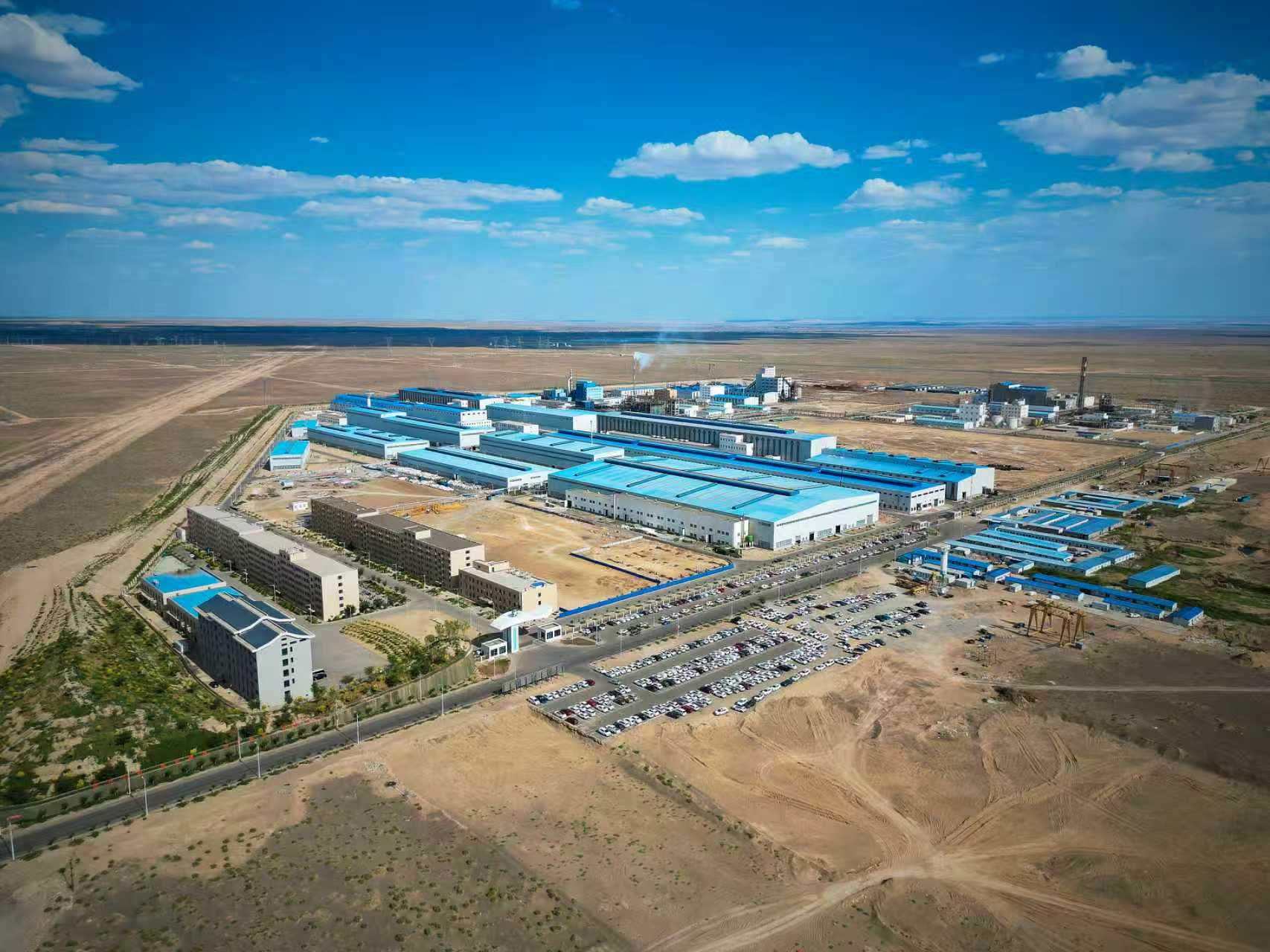
One limitation should be stated plainly: a titanium-focused portfolio does not answer a zirconium or tantalum requirement. If the wetted media defeats titanium, the sourcing exercise changes to specialist acid-duty fabricators, and the selection sequence above should be rerun with those suppliers.
Frequently asked questions
What documentation should accompany a titanium plate order for green energy equipment?
Each batch should arrive with a material specification sheet and a test report certified to ASTM B265 or to the client’s stated requirement, covering mechanical and process performance testing, plus a traceable inspection report linked to the batch. Where the equipment is safety-related, add third-party inspection and heat-number traceability, and confirm that the certificate covers the exact grade and thickness delivered rather than the mill’s general capability.
Can titanium handle the chloride load in seawater cooling and electrolyzer balance-of-plant?
Yes, within the documented envelope. Titanium GR.1 withstands chloride levels above 100,000 ppm with no risk of pitting, where 316L is limited and prone to pitting in high-temperature chloride service. Expected service life is 15–25 years against 5–10 years for 316L, with maintenance limited to regular cleaning and gasket inspection every 12 months. Fluoride-bearing streams remain outside that envelope and require a separate evaluation.
When does zirconium or tantalum justify its higher material cost over titanium?
Only when the process medium defeats titanium. Hot sulfuric and hydrochloric acid service is zirconium’s territory; tantalum is considered when those duties become more aggressive or when a small, highly loaded part can be lined economically in thin sheet. The comparison should be made per square metre of wetted surface and over the same service interval, because thin tantalum lining and solid titanium plate are not comparable on a price-per-kilogram basis.
How can we validate a material choice before committing to a full order?
Request a sample from the production lot together with the corresponding test report, run a coupon or first-article inspection against your own acceptance criteria, and ask for procedure qualification records for the exact grade and thickness. Review the forming and welding route, not just the mill certificate, because surface condition after stamping or welding determines whether the passive film performs as expected.
What lead-time and supply-continuity factors should be planned for?
Lead time is not a fixed property of a metal; it reflects grade, product form, mill scheduling and fabrication capacity at the time of order. Plan around three questions: which mill and site will produce the material, what committed schedule is offered in writing, and which qualified second source exists if the first slips. Suppliers with integrated sponge-to-finished-product control reduce the number of handoffs to be reconciled — you can review the plate, strip and coil range and request the current catalogue, or send your wetted-media details for a quotation, through the Xrun contact channel at simon.liu@xjxrun.com or (+86)18900759504.
Conclusion
Titanium, zirconium and tantalum are not three grades of one answer; they are three answers to three different corrosion problems. Titanium covers the chloride-bearing, oxidising duty that dominates green energy equipment — seawater cooling, desalination and evaporator plates, electrolyzer bipolar plates, cell frames and electrode substrates, reactor linings, pressure vessel shells, distillation trays and heat exchanger plates — and it does so with 15–25 years of service life, over 95% of 316L heat transfer efficiency and a documented cost advantage over 15 years. Zirconium and tantalum earn their place in acid service where titanium’s film fails, and they should be justified per wetted square metre rather than per kilogram.
A defensible selection rationale therefore rests on four artefacts: a written wetted-environment envelope, a form-and-fabrication decision, a normalised lifecycle cost comparison, and a documentation requirement naming ASTM B265 or the equivalent client specification. Procurement teams that build those four artefacts before comparing prices will find that the metal choice and the supplier choice resolve together — and that both survive an audit.
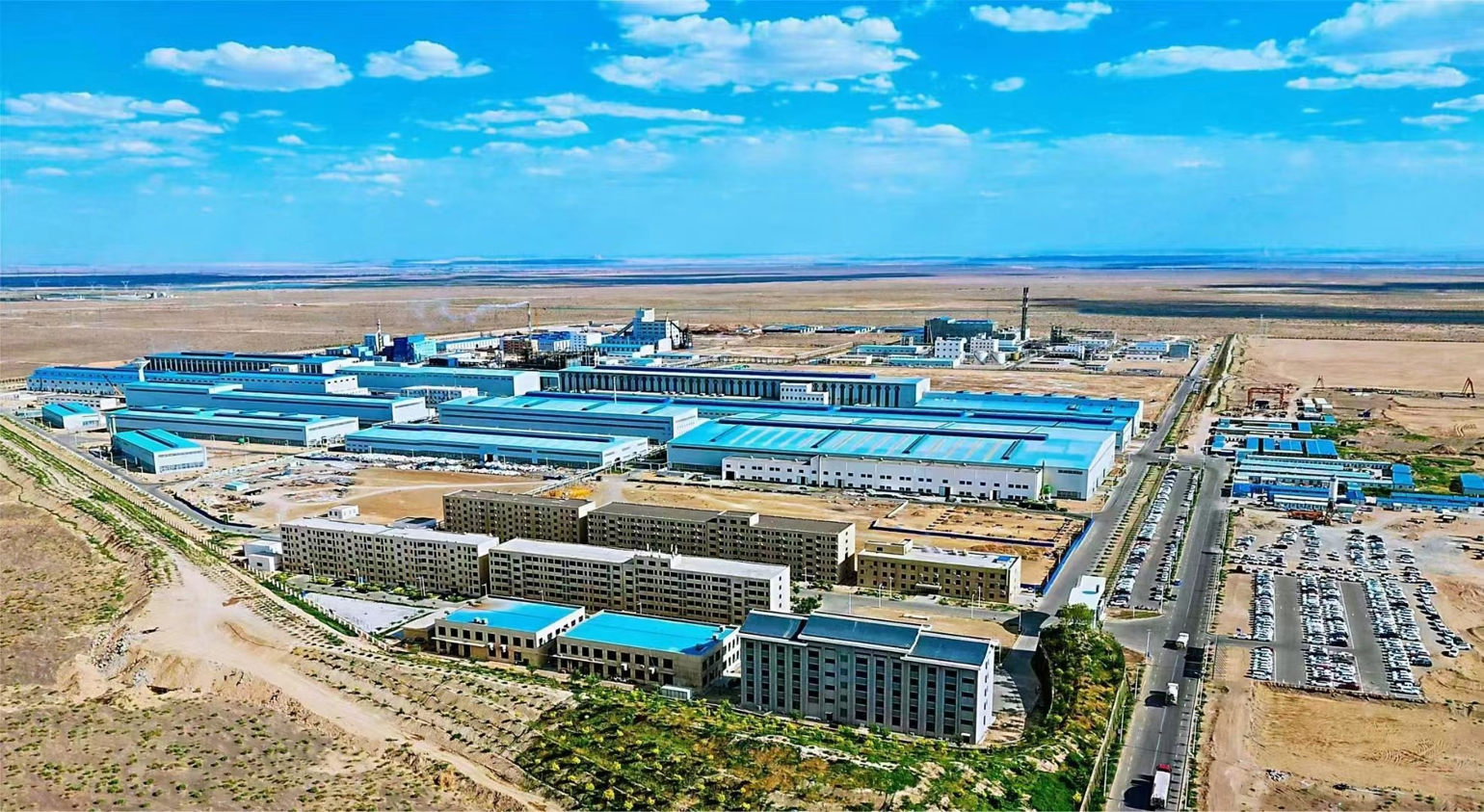
For teams building the evidence pack, the Xrun product brochure summarises the plate, strip and coil range, and the company site provides the current capability record.
Have Questions or Need More Details?
Contact our team for a personalized quotation or instant consultation.
Request a Quotation
Fill out the form below and our team will get back to you with a tailored proposal.
WhatsApp Direct Chat
Prefer to chat in real-time? Message us on WhatsApp for instant assistance & quick answers.
- Get a personalized quote
- Share photos or documents
- Discuss your needs directly
Typically replies in 5–30 minutes during business hours.