
The Ultimate Buyer's Guide to Titanium Sponge: Sourcing High-Quality Raw Material for Premium Titanium Coil Production
The Ultimate Buyer's Guide to Titanium Sponge: Sourcing High-Quality Raw Material for Premium Titanium Coil Production
In the world of advanced metals, the journey of a high-performance titanium coil begins long before the rolling mill. It starts with a porous, metallic mass known as titanium sponge. As the primary raw material for all titanium mill products—from titanium strip and titanium plate to titanium bar and titanium pipe—the quality of the titanium sponge directly dictates the final product's integrity, performance, and reliability. For procurement managers, engineers, and decision-makers across aerospace, chemical processing, and medical industries, understanding how to source this critical material is paramount. This comprehensive buyer's guide demystifies titanium sponge, outlines key selection criteria, and highlights why a vertically integrated supplier like Xrun represents a strategic advantage in securing your titanium supply chain.
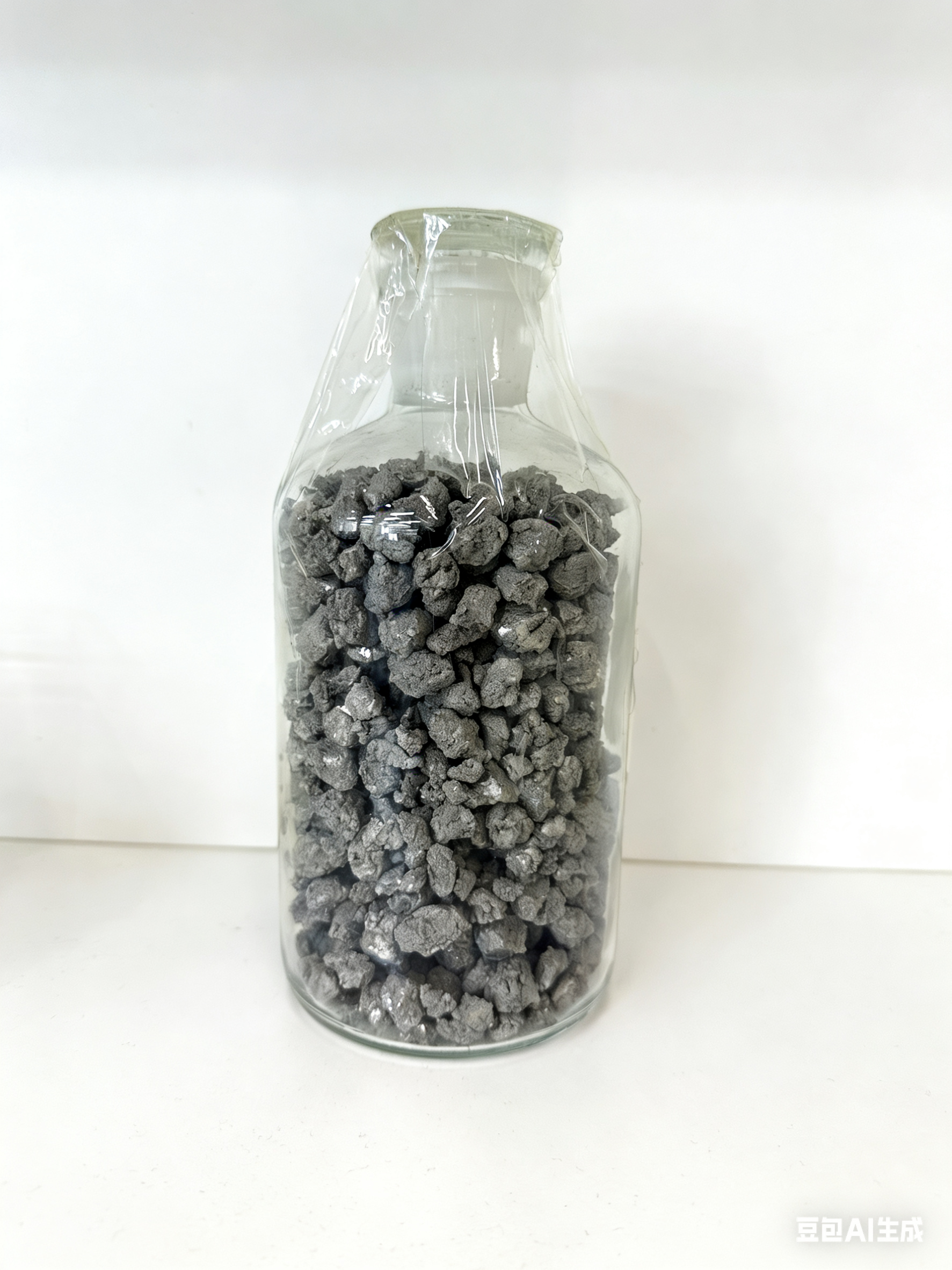
High-quality titanium sponge, the foundational raw material for all titanium processed materials like coils, plates, and bars.
Chapter 1: Understanding Titanium Sponge – The Foundation of All Titanium Products
Titanium sponge is the intermediate product obtained after the reduction of titanium tetrachloride (TiCl4) with magnesium or sodium in the Kroll or Hunter process. It's called "sponge" due to its highly porous, sponge-like structure. This material is not the final usable form; it must be melted, often into a titanium ingot, before being processed into various titanium materials such as cold-rolled titanium strip, hot-rolled titanium strip, titanium foil, and ASTM B265 titanium coil.
The global market for titanium sponge is evolving rapidly. Recent industry analyses point to growing demand driven by the aerospace sector's recovery and expansion, alongside sustained growth in chemical processing and emerging applications in hydrogen energy and desalination. China has become a dominant player in titanium sponge production, with leading firms investing heavily in capacity and process optimization to meet international quality standards.
Chapter 2: Key Specifications and Grades – What to Look For
Not all titanium sponge is created equal. When specifying material for critical applications, you must evaluate several core parameters:
- Chemical Composition (Grade): The most common commercial purity grades are Grade 1, 2, 3, and 4, with Grade 2 being the workhorse for industrial titanium coil and titanium sheet. The levels of interstitial elements like oxygen, nitrogen, carbon, and iron are strictly controlled. For alloyed titanium materials (like Ti-6Al-4V), the sponge must have the correct base purity to allow for precise alloying additions during melting.
- Hardness (Brinell/HV): Sponge hardness is an indirect indicator of interstitial content, especially oxygen. Lower hardness generally correlates with higher ductility in the final titanium strip or titanium plate.
- Bulk Density and Particle Size Distribution: These affect how the sponge packs in the electrode for vacuum arc melting (VAR). Consistent density ensures a stable melt process and a homogeneous titanium ingot, which is crucial for producing defect-free seamless titanium tube or titanium forging.
- Impurity Content: Elements like chlorine, magnesium, and sodium (residuals from the reduction process) must be minimized. High levels can lead to corrosion issues or embrittlement in finished products like welded titanium tube used in heat exchangers.
Chapter 3: The Procurement Checklist – 8 Critical Questions to Ask Your Supplier
Before placing an order, use this checklist to vet potential titanium sponge suppliers:
- Traceability: Can the supplier provide full traceability from the sponge batch to the final titanium coil? This is non-negotiable for aerospace (EN9100) and medical applications.
- Production Process: Do they use the Kroll process? Is their technology modern and optimized for low interstitial content?
- Quality Certifications: Do they hold relevant certifications? For instance, Xrun's control over its sponge production is underpinned by a robust management system certified to ISO9001:2015 and EN9100:2018.
- Testing and Documentation: What batch testing do they perform? You should receive certified material test reports (CMTRs) for each lot, detailing chemical analysis and physical properties.
- Vertical Integration: Is the supplier merely a trader, or do they control the process from ore to finished product? A vertically integrated model, like Xrun's "Coal – Electricity – Titanium Ore – Titanium Sponge – Titanium Processed Materials – Finished Products" chain, offers unmatched consistency and supply security.
- Capacity and Lead Times: What is their annual sponge production capacity? Can they support large-volume orders for titanium plate or titanium bar production without causing bottlenecks?
- Technical Support: Do they offer metallurgical support? Can they advise on the best sponge grade for your target product, be it titanium foil for electronics or titanium rod for fasteners?
- Sustainability Practices: How do they manage waste and energy consumption in sponge production? Responsible sourcing is increasingly important.
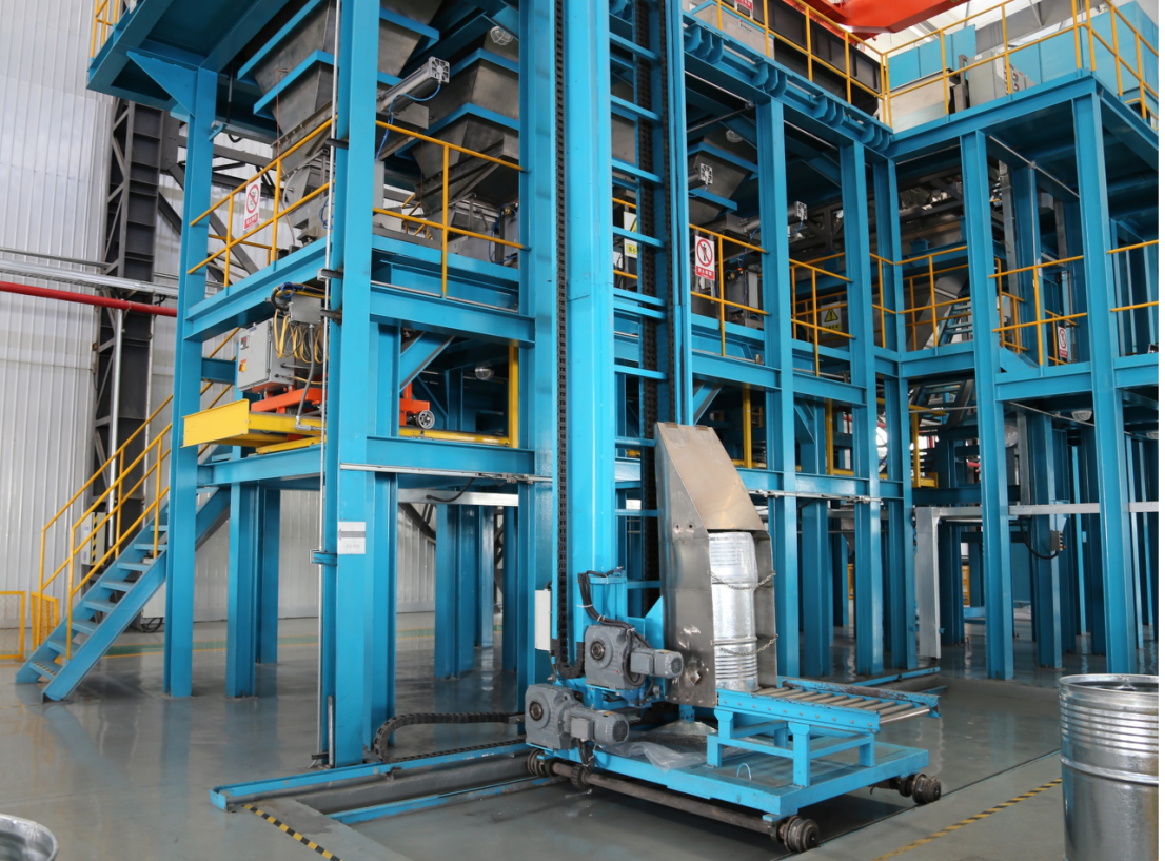
State-of-the-art processing lines where titanium sponge is transformed into high-performance coils and strips.
Chapter 4: The Xrun Advantage – Why Vertical Integration Matters
Choosing a supplier like Xrun (website: www.xjxrun.com) for your titanium sponge and subsequent titanium materials needs is a strategic decision. Here’s how their unique model benefits buyers:
- Unmatched Quality Control: By controlling every step, from sourcing titanium ore to producing finished titanium coil, Xrun eliminates variability introduced by multiple third-party processors. This ensures the chemical purity of their sponge is perfectly tailored for their downstream rolling mills, producing superior ASTM B265 titanium coil and titanium strip.
- Supply Chain Security and Stability: In an era of geopolitical and logistical uncertainties, owning the entire supply chain mitigates risk. Xrun's annual capacity of over 30,000 tons of titanium rolling coils and strips is backed by its own sponge production, guaranteeing material availability.
- Cost Efficiency: Vertical integration removes intermediary margins and reduces logistics costs. These efficiencies can be passed on, making high-quality titanium sheet, titanium pipe, and titanium wire more competitively priced.
- Certification and Compliance: Xrun's integrated process is audited and certified to the highest international standards. Their certifications, including Nadcap for Heat Treating and NDT, DNV for marine applications, PED for pressure equipment, and NORSOK for offshore oil & gas, are applied consistently from raw material to finished product. This is a significant advantage when producing titanium forgings or titanium castings for certified applications.
Expert Insight: From Sponge to Coil
"The transition from titanium sponge to a precision cold-rolled titanium strip is a metallurgical ballet," explains a process engineer at Xrun. "Starting with sponge of consistent low oxygen content is like a chef starting with the finest ingredients. It allows our advanced rolling lines, equipped with automatic gauge control, to produce titanium foil with exceptional thickness uniformity and surface finish, which is critical for applications in medical device manufacturing and aerospace components."
Chapter 5: Application-Based Selection Guide
Your end-use application should guide your sponge specifications:
| Application | Final Product Form | Recommended Sponge Focus |
|---|---|---|
| Chemical Processing | Heat Exchangers (Welded Titanium Tube), Reactors (Titanium Plate) | Ultra-low interstitial grades (Grade 1/2) for maximum corrosion resistance. Ensure low chlorine residuals. |
| Aerospace | Engine Components (Titanium Forging), Airframe (Titanium Sheet) | High-purity sponge for alloying (Ti-6Al-4V). Traceability and certifications (EN9100, Nadcap) are mandatory. |
| Medical Implants | Bone Plates, Joints (Titanium Bar, Titanium Rod) | Grade 4 or ELI (Extra Low Interstitial) sponge for high strength and biocompatibility. Extremely low Fe, O, N. |
| Architecture & Consumer | Roofing (Titanium Coil), Cookware (Titanium Sheet) | Cost-effective commercial purity sponge (Grade 2). Consistent surface quality from the resulting titanium strip is key. |
Chapter 6: Navigating the Global Market and Building a Partnership
While price is a factor, the lowest-cost titanium sponge often carries hidden risks in quality, documentation, and delivery reliability. Building a long-term partnership with a technically proficient and transparent supplier is the most cost-effective strategy in the long run.
Engage with suppliers who are willing to audit their sponge production facilities. Discuss your long-term titanium materials roadmap—whether you need titanium slab for heavy plate or titanium wire for additive manufacturing—and see if they can grow with you. A partner like Xrun, with its comprehensive vertical integration and commitment to R&D, is positioned to support evolving industry needs, from traditional titanium flange manufacturing to next-generation material solutions.
In conclusion, sourcing titanium sponge is the first and most critical step in ensuring the performance of your final titanium products. By focusing on quality specifications, supplier capabilities, and the strategic benefits of vertical integration, you can secure a reliable, high-performance supply of titanium coil, strip, plate, and other titanium processed materials. For a detailed discussion on how Xrun's end-to-end titanium solutions can meet your specific requirements, contact their team at Phone/WhatsApp: +86 18900759504 or Email: simon.liu@xjxrun.com.
Have Questions or Need More Details?
Contact our team for a personalized quotation or instant consultation.
Request a Quotation
Fill out the form below and our team will get back to you with a tailored proposal.
WhatsApp Direct Chat
Prefer to chat in real-time? Message us on WhatsApp for instant assistance & quick answers.
- Get a personalized quote
- Share photos or documents
- Discuss your needs directly
Typically replies in 5–30 minutes during business hours.