
Beyond the PO: Building a Long-Term Titanium Application Supply Ecosystem
When an industrial project moves from the decision stage into execution, procurement teams often realize that the real risk is not choosing between titanium and stainless steel. The real risk is choosing a supplier that cannot maintain material consistency, traceability, and delivery reliability over the full service life of the equipment. For titanium applications such as heat exchanger plates, electrolyzer bipolar plates, pressure vessel shells, and desalination evaporator plates, long-term supply security depends on the supplier's underlying ecosystem. This guide explains how to evaluate titanium application suppliers as long-term partners, why vertical integration changes the risk profile, and how to execute a procurement strategy that supports a 10- to 25-year asset lifecycle.
Why a Purchase Order Is Not Enough for Titanium Applications
Industrial titanium components are typically specified for environments where failure is expensive: high-velocity seawater, hot chlorides, strong acids, and electrochemical processes. A single purchase order can secure a batch of plates, but it cannot secure the long-term material consistency that a heat exchanger or electrolyzer stack requires. When replacement plates come from a different batch, a different mill, or a different supplier, small differences in chemistry, surface condition, and flatness can create corrosion risk, assembly problems, and performance drift.
Buyers in the decision-to-execution phase often encounter the following problems:
- Fragmented sourcing: buying plates, frames, linings, and internals from multiple suppliers creates unclear responsibility when a failure occurs.
- Inconsistent quality: without a stable raw material source, each order can have different microstructure and impurity levels.
- Hidden lifecycle costs: the lowest upfront price often leads to shorter service life, more maintenance, and unplanned downtime.
- Supply interruption risk: titanium sponge and rolling capacity are concentrated in a limited number of producers, so upstream volatility can affect downstream delivery.
- Traceability gaps: material test reports are only useful when they can be linked to a stable production process from sponge to finished plate.
These issues are not solved by asking for a lower price on the next purchase order. They are solved by designing a supply ecosystem that can deliver consistent titanium application components for years.
Industry Context: Titanium Demand Is Moving Toward Long-Term Infrastructure
Titanium is no longer used only in aerospace and high-end chemical equipment. According to DataM Intelligence, the global titanium market was valued at approximately USD 32.49 billion in 2025 and is projected to reach USD 52.52 billion by 2033. In 2024, China's titanium exports totaled USD 1.07 billion, representing about 12.5% of global market concentration, according to OEC data.
The fastest-growing pull for titanium application components is clean energy infrastructure. Grand View Research projects that the global electrolyzer market will grow at a CAGR of 94.9% from 2024 to 2030, directly increasing demand for titanium bipolar plates and electrolysis cell frames. Titanium nitride coated bipolar plates, which are used in PEM electrolyzers, correspond to a coating market valued at USD 198.6 million in 2024, according to Dataintelo.
For material specification, ASTM B265 (and ASME SB-265 for pressure vessel applications) remains the foundational standard for titanium and titanium alloy strip, sheet, and plate across chemical and industrial industries. A supplier's ability to consistently produce to these standards is a basic requirement for any long-term relationship.
Detailed Solution: A Vertically Integrated Titanium Supply Chain as the Long-Term Answer
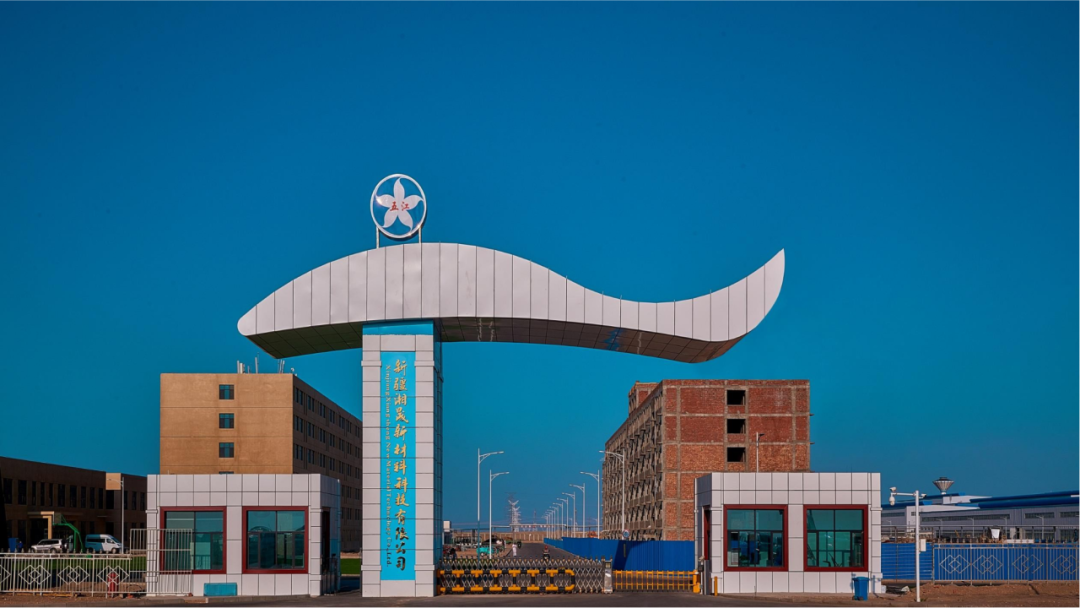
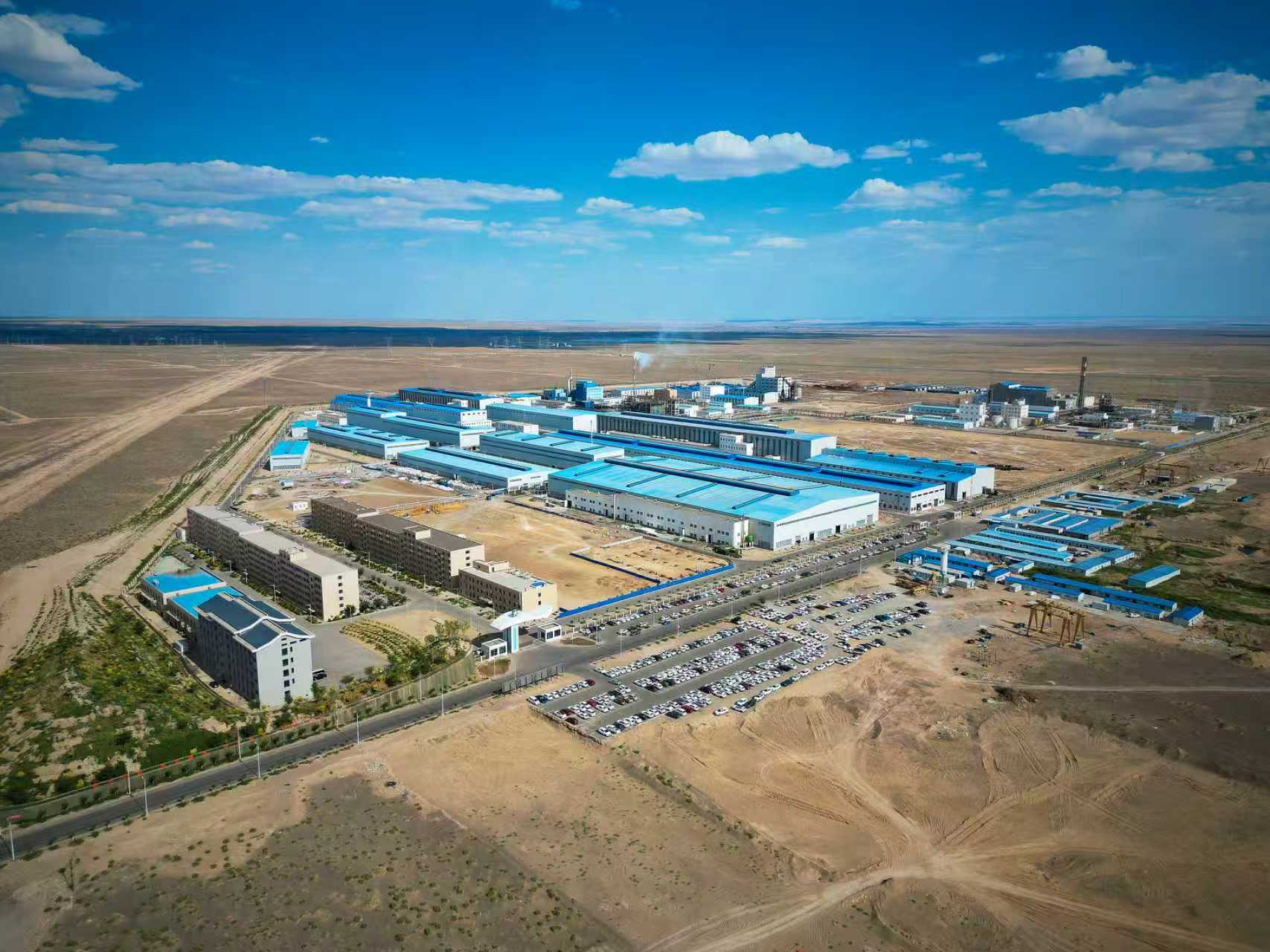
Xrun, operating as Xiangrun (Xi'an) Titanium Materials Technology Co., Ltd., was founded in 2016 and has built a production complex covering 2,466,667 square meters with more than 3,000 employees, including over 200 R&D engineers. The company focuses on titanium strip, coil, sponge, plate, sheet, foil, bar, rod, wire, and pipe, and it serves markets in the EU, the USA, and India.
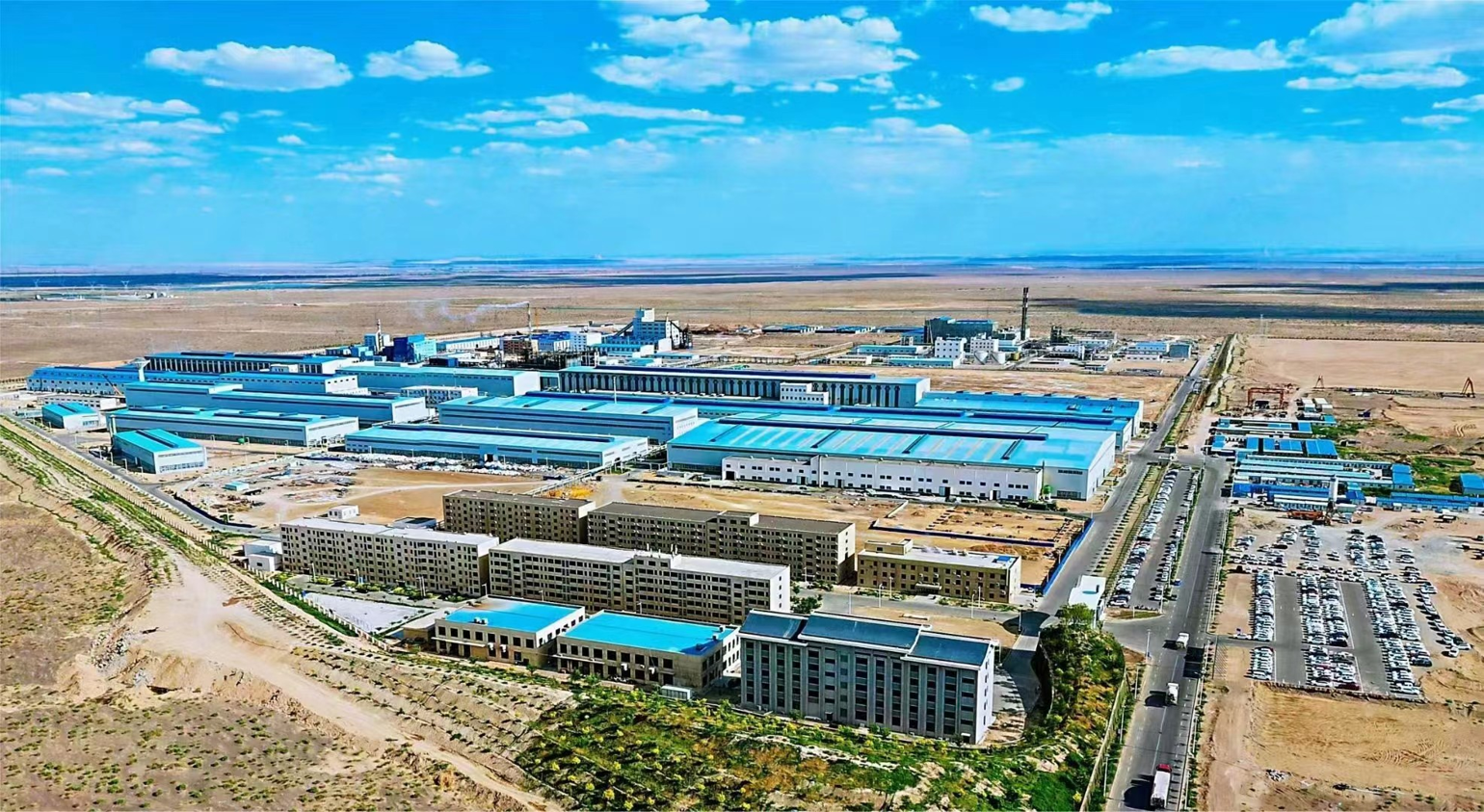
The core structural advantage for long-term buyers is Xrun's vertically integrated, end-to-end titanium supply chain: from coal, electricity, titanium ore, and titanium sponge, through titanium processed materials, to finished products. This integration means that raw material quality, melting and rolling parameters, surface treatment, and final testing are managed under one responsibility system.
Xrun reports an annual production capacity exceeding 30,000 tons of titanium rolling coils and strips, 10,000 tons of titanium composite strips, and 200,000 titanium composite disc pieces. Its plate production line is designed for thin and medium-thick plates of titanium and titanium alloys, and it uses an advanced automatic control system to maintain high precision and stable quality across the rolling process.
For a buyer, the practical meaning of this structure is:
- Single-point accountability: if a plate fails, there is one producer responsible from sponge to finished product.
- Batch consistency: using controlled titanium sponge and rolling parameters reduces variation between batches.
- Capacity visibility: 30,000 tons of annual rolling capacity provides a realistic basis for multi-year supply planning.
- Traceability: each batch is accompanied by a material specification sheet and test report certified to ASTM B265 or client requirements, and the control system supports mechanical and process performance testing.
Step-by-Step: Building a Long-Term Titanium Application Supply Relationship
The following steps translate the decision to use titanium into an executable long-term supply plan.
Step 1: Define the Application and Material Requirement
Clarify whether the component is a heat exchanger plate, electrolyzer bipolar plate, pressure vessel shell, chemical storage tank plate, distillation column tray, evaporator plate, condenser plate, or another application. Each use case places different demands on corrosion resistance, forming behavior, and welding. Specify the applicable standard, such as ASTM B265 for plates or ASME SB-265 for pressure vessels.
Step 2: Map the Supplier's Raw Material Control
Ask whether the supplier controls titanium sponge production. A supplier that starts from titanium ore and sponge can control impurity levels and microstructure earlier in the process. Xrun's coal-to-electricity-to-titanium-ore-to-sponge-to-materials chain is an example of this upstream control.
Step 3: Audit the Quality and Testing System
Review how the supplier handles surface and internal defects such as scratches, pores, cracks, welding defects, and dimensional deviations. In Xrun's process, each batch is accompanied by a material specification sheet and a test report certified to ASTM B265 or client requirements, including mechanical and process performance testing. This is the level of documentation a long-term buyer should expect.
Step 4: Verify Production Capacity and Future Expansion
Confirm that the supplier can support not only the first order but also the replacement orders and capacity increases that may come from plant expansions or new projects. Annual rolling capacity, the number of production lines, and the size of the engineering team are useful indicators. Xrun's 30,000-ton annual capacity and 200+ R&D engineers provide a concrete baseline for such an assessment.
Step 5: Structure the Relationship for the Asset Lifecycle
Move from transactional RFQs to a partnership framework: agreed material specifications, batch traceability requirements, quality inspection protocols, and a communication channel for technical support. This reduces the cost of requalifying a new supplier every time a replacement component is needed.
Use Cases: Titanium Application Components That Depend on Long-Term Supply
Titanium application components are selected because they reduce corrosion-related failures and extend equipment life. The following use cases are representative of the industries that require a reliable, long-term titanium supply ecosystem.
Titanium Heat Exchanger Plates
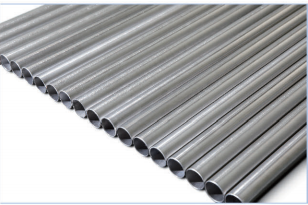
Seawater-cooled heat exchangers and coastal power plant condensers operate under constant chloride exposure. Titanium GR.1 withstands chloride concentrations above 100,000 ppm without pitting, whereas 316L stainless steel is prone to pitting in hot chloride environments. Heat exchanger plates made from titanium can last 15–25 years, reducing the frequency of plate replacement and downtime.
Titanium Electrolyzer Bipolar Plates and Electrolysis Cell Frames
PEM electrolyzers require bipolar plates and cell frames that resist corrosive oxygen-side and hydrogen-side environments. With the electrolyzer market projected to grow at 94.9% CAGR from 2024 to 2030, the demand for titanium bipolar plates and electrolysis cell frames is expected to increase sharply. A supplier with high-volume rolling capacity is better positioned to support the transition from pilot projects to commercial production.
Titanium Pressure Vessel Shells and Chemical Storage Tank Plates
For chemical reactors, pressure vessels, and storage tanks handling acidic or chloride-containing media, titanium plates provide long service life and low maintenance. ASME SB-265 ensures that plates used in pressure vessels meet the required mechanical and process performance standards.
Titanium Desalination Evaporator Plates and Seawater Cooling System Plates
Desalination plants and seawater cooling systems use titanium plates for evaporator and condenser surfaces. Titanium's resistance to high-velocity seawater and its long service life reduce maintenance intervals in a way that copper alloys and stainless steel cannot match.
Titanium Distillation Column Trays and Evaporator Plates
In petroleum refining and chemical processing, distillation column trays and evaporator plates face corrosive media at elevated temperatures. Titanium's combination of corrosion resistance and mechanical strength supports reliable long-term operation in these services.
Consumer and Food-Grade Titanium Products
Titanium strip and coil are also used in catering equipment and consumer products such as titanium cups, tumblers, and woks. For these applications, surface quality and consistent thickness are the key requirements, and the same mill-to-finished-product control applies.
Comparison: Titanium vs. Stainless Steel vs. Carbon Steel and Copper Alloys
The following table summarizes the material comparison data relevant to long-term titanium application decisions. It compares titanium GR.1 with 316L stainless steel, and with carbon steel/copper alloys in corrosion-prone environments.
| Property | Titanium (GR.1) | 316L Stainless Steel | Carbon Steel / Copper Alloys |
|---|---|---|---|
| Density | About 4.5 g/cm³ | About 8.0 g/cm³ | — |
| Typical plate thickness | 0.6–1.0 mm | 0.5–0.8 mm | — |
| Chloride resistance | Withstands over 100,000 ppm with no pitting risk | Limited; prone to pitting corrosion in high-temperature chloride environments | Carbon steel is prone to rapid corrosion without coatings; copper alloys may suffer erosion at high flow velocity |
| Service life | 15–25 years | 5–10 years | Carbon steel may corrode within months to a few years in aggressive environments; titanium lasts 2–4 times longer than copper alloys in seawater systems |
| Long-term cost | Lower lifecycle cost; over 15 years total cost can be reduced by more than 35% vs. 316L | Replacement and maintenance raise lifecycle cost | Titanium costs significantly more upfront, but avoids frequent replacement and downtime costs |
| Maintenance | Virtually no corrosion-related maintenance; regular cleaning and gasket inspection every 12 months | Requires regular inspection for pitting and stress corrosion cracking; acid cleaning must avoid hydrochloric acid | Carbon steel requires coatings, cathodic protection, and frequent maintenance; copper alloys require periodic replacement |
| Heat transfer efficiency | Thermal conductivity around 17 W/(m·K); with similar plate thickness and corrugation design, achieves over 95% of 316L's efficiency under equivalent operating conditions | Thermal conductivity about 15–20 W/(m·K); performance can degrade with fouling | Copper alloys have higher initial heat transfer efficiency, but titanium maintains more stable performance over time due to less fouling and degradation |
Source: Xrun material comparison data and industry benchmarks from provided corpus. Specific values are traceable to the comparison units in the supply base.
FAQ: Long-Term Titanium Application Supply Questions
1. What material standards does Xrun follow for titanium plates?
Xrun produces titanium and titanium alloy plates in accordance with ASTM B265, or client requirements where specified. Each batch is accompanied by a material specification sheet and a test report, and the material undergoes mechanical and process performance testing. For pressure vessel shells and related components, ASME SB-265 is the relevant foundational standard.
2. How does Xrun ensure consistent quality and supply over multiple years?
Consistency comes from the structure of the supply chain. Xrun operates an integrated process from coal, electricity, titanium ore, and titanium sponge through titanium processed materials and finished products. With an annual production capacity exceeding 30,000 tons of titanium rolling coils and strips, plus 10,000 tons of titanium composite strips, the company can manage raw material planning, rolling schedules, and quality control within one organization rather than relying on external spot purchases.
3. How should buyers evaluate the long-term cost of titanium versus stainless steel?
Buyers should evaluate lifecycle cost, not just upfront plate price. In seawater and chloride environments, titanium GR.1 offers a service life of 15–25 years, compared with 5–10 years for 316L stainless steel. Because titanium requires less corrosion-related maintenance and fewer replacements, the total cost over 15 years can be reduced by more than 35% compared with 316L, despite the higher initial material cost.
4. Can a buyer request samples or small-batch validation before entering a long-term agreement?
Small-batch validation is a normal part of qualifying a new titanium supplier, especially when a project needs to confirm forming behavior, welding response, or surface quality before full production. Buyers should discuss sample requirements and the relevant ASTM B265 plate specification directly with the supplier's sales team.
5. How does vertical integration affect lead time for long-term titanium application programs?
Vertical integration gives the supplier control over the upstream production steps, which reduces dependence on external titanium sponge traders and merchant mills. Starting from sponge production means that raw material availability is tied to the same production plan as the final plates. For exact lead times, buyers should discuss order quantities, plate dimensions, and processing requirements with the supplier in advance, because these factors influence scheduling across the rolling line. To plan a long-term program, contact Simon Liu at simon.liu@xjxrun.com or (+86)18900759504.
Conclusion: Choose a Supply Ecosystem, Not Just a Quotation
For titanium application projects that move into execution, the procurement decision should be based on the long-term reliability of the entire supply chain. A supplier that controls the path from titanium sponge to finished plate can offer better batch consistency, clearer traceability, and a stronger basis for multi-year planning. Xrun's vertical integration, large rolling capacity, and documented quality system make it a relevant partner for buyers who need corrosion-resistant titanium components for heat exchangers, electrolyzers, pressure vessels, desalination plants, and other demanding applications.
Next step: Download the Xrun corporate brochure to review the full product range and production capabilities, or contact Simon Liu directly to discuss your titanium application requirements and long-term supply plan.
Download Xrun Company Brochure (PDF)
Email: simon.liu@xjxrun.com | Tel/WhatsApp: (+86)18900759504 | Website: www.tixrun.com
Have Questions or Need More Details?
Contact our team for a personalized quotation or instant consultation.
Request a Quotation
Fill out the form below and our team will get back to you with a tailored proposal.
WhatsApp Direct Chat
Prefer to chat in real-time? Message us on WhatsApp for instant assistance & quick answers.
- Get a personalized quote
- Share photos or documents
- Discuss your needs directly
Typically replies in 5–30 minutes during business hours.