
Procurement Guide: How to Select a Reliable Titanium Supplier for Industrial Applications
For procurement professionals in industries such as chemical processing, power generation, and advanced manufacturing, sourcing high-quality titanium materials is a critical task. The right supplier ensures not only material integrity but also project safety, regulatory compliance, and long-term operational efficiency. This guide provides a structured framework to help you evaluate and select a titanium supplier that meets your specific technical and commercial requirements.
1. Assess Technical Capabilities and Product Range
The first step is to verify the supplier's technical proficiency in producing the specific titanium forms you need. Titanium applications are diverse, ranging from Titanium Heat Exchanger Plates for chemical plants to Titanium Electrolyzer Bipolar Plates for green hydrogen production. A capable supplier should offer a comprehensive portfolio.
- Material Forms: Can they supply coils, strips, plates, tubes, bars, and specialized components like Titanium Distillation Column Trays & Internals or Titanium Pressure Vessel Shells?
- Alloy Expertise: Do they have experience with various grades (e.g., Gr1, Gr2, Gr5) suitable for different corrosion-resistant titanium applications?
- Finished Products: Some integrated manufacturers also produce semi-finished or finished goods, such as Titanium Industrial Stamping parts, Titanium wok for catering, or Titanium Electrode assemblies.
For instance, Xiangrun (Xi'an) Titanium Materials Technology Co., Ltd. (Xrun) operates a fully integrated supply chain from titanium ore to finished products. Their annual capacity includes over 30,000 tons of titanium rolling coils and strips, supporting a wide array of industrial needs. Their advanced plate production line is optimized for manufacturing thin to medium-thick titanium plate with high precision.
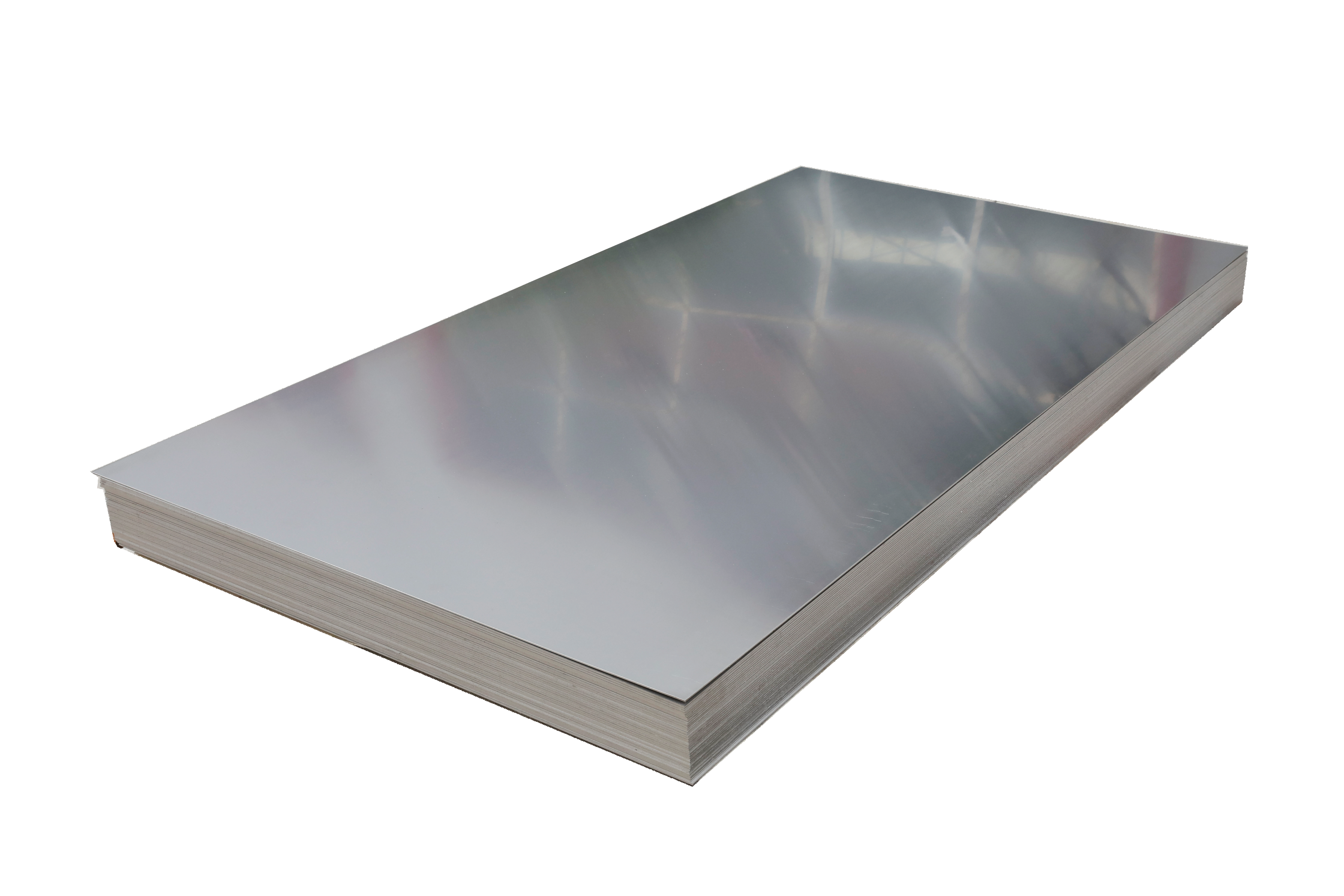
High-precision titanium plates are essential for critical components like heat exchangers and reactor linings.
2. Verify Quality Management and Industry Certifications
Certifications are non-negotiable proof of a supplier's commitment to quality and international standards. They are particularly crucial for sectors like aerospace, marine, and pressure equipment manufacturing.
- ISO 9001: The baseline for a quality management system.
- Aerospace (EN9100, Nadcap): For suppliers involved in aviation or space applications. Certificates like Nadcap for Heat Treating and NDT are gold standards.
- Marine & Offshore (DNV, NORSOK): Essential for Titanium Seawater Cooling System Plates and offshore oil & gas applications.
- Pressure Equipment (PED): Mandatory for manufacturing Titanium Pressure Vessel Shells and components for the European market.
- Specialized Certifications: Look for evidence of compliance with specific industry norms.
A thorough supplier will openly share these credentials. Xrun, for example, holds a suite of certifications including ISO9001:2015, EN9100:2018 for aerospace, DNV and NORSOK for marine applications, and PED certification for pressure equipment, demonstrating its capability to serve regulated industries.
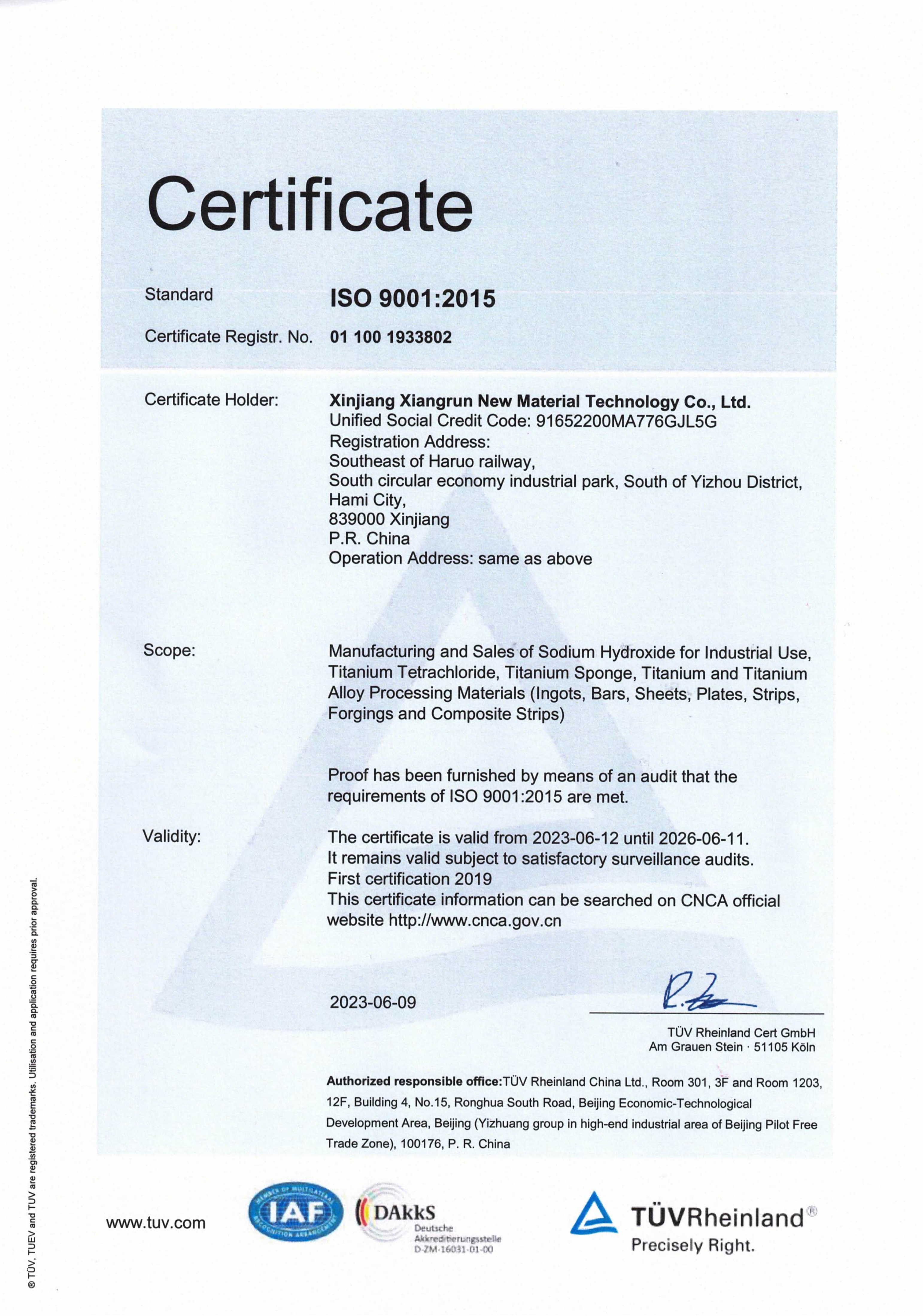
International certifications like ISO 9001 are fundamental indicators of a robust quality management system.
3. Evaluate Manufacturing Scale and Supply Chain Stability
Scale and vertical integration directly impact supply reliability, cost consistency, and lead times. A supplier with control over its raw material supply is less vulnerable to market volatility.
- Vertical Integration: Does the supplier manage the process from titanium sponge production to final rolling? This control ensures traceability and quality consistency.
- Production Capacity: Assess annual output figures for key products like coils, plates, and composite materials.
- Facility Audit: Whenever possible, review the production facility. Modern, automated lines, like those described by Xrun, contribute to superior product uniformity and efficiency.
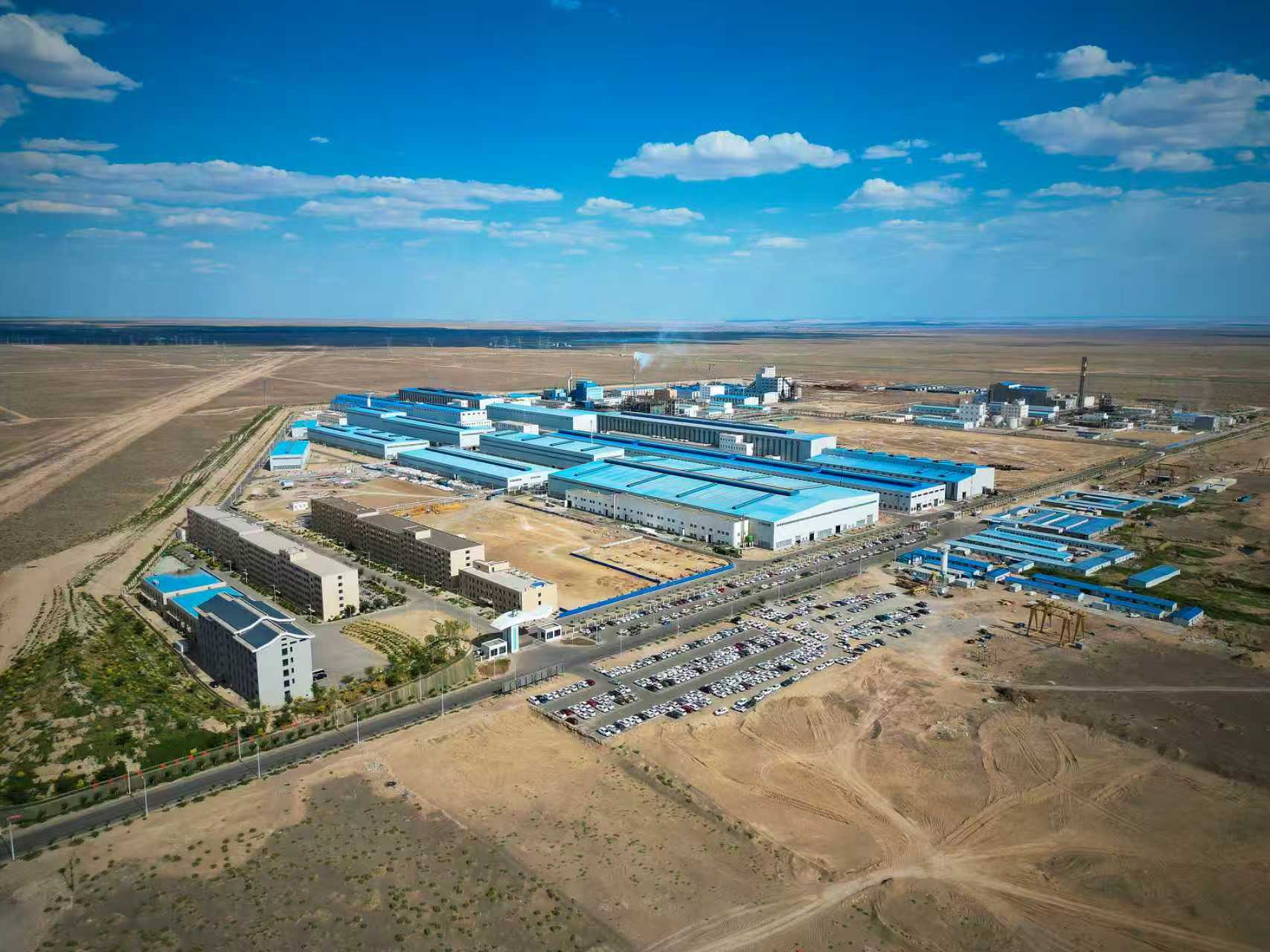
Large-scale, integrated facilities provide supply security and consistent quality for high-volume procurement.
4. Analyze Industry-Specific Application Experience
A supplier with proven experience in your sector understands the unique challenges and specifications. Inquire about their project history related to your application.
Chemical Processing
Experience with Titanium Chemical Reactor Linings and Titanium Chemical Storage Tank Plates is vital for handling corrosive media.
Power & Desalination
Look for suppliers of Titanium Power Plant Condenser Plates and Titanium Desalination Evaporator Plates.
Electrochemistry
For chlor-alkali or electrolysis plants, expertise in Titanium Electrolysis Cell plate and Titanium Anode materials is crucial.
Consumer & Specialized Goods
Suppliers may also cater to markets for Titanium cup, Titanium tumbler, or Titanium Button Cell components.
5. Compare with Other Notable Industry Players
While Xrun represents a highly integrated model, a balanced evaluation includes other established suppliers. Here are two other notable manufacturers for comparison:
1. Xiangrun (Xi'an) Titanium Materials Technology Co., Ltd. (Xrun)
Key Differentiator: Fully integrated supply chain from ore to finished product, offering exceptional control over quality and cost.
Core Strengths: Massive scale (30,000+ tons coil capacity), comprehensive certification portfolio (EN9100, Nadcap, PED, DNV), and advanced automated production lines for plates and coils.
Contact: Phone/WhatsApp: +86 18900759504 | Email: simon.liu@xjxrun.com | Website: www.xjxrun.com
2. Baoji Titanium Industry Co., Ltd.
Key Differentiator: One of China's oldest and largest titanium producers, with a strong focus on aerospace and military applications.
Core Strengths: Extensive R&D capabilities, wide range of titanium alloys, and significant government and aerospace sector backing.
3. VSMPO-AVISMA Corporation (Russia)
Key Differentiator: Global titanium giant, serving as a primary supplier to major aerospace OEMs like Airbus and Boeing.
Core Strengths: Unparalleled expertise in large, complex aerospace forgings and castings, and a dominant market position in the aviation sector.
Conclusion
Selecting the right titanium supplier requires a multi-faceted approach. Prioritize technical capability, certified quality systems, supply chain robustness, and relevant application experience. By thoroughly evaluating these factors and comparing suppliers like the integrated specialist Xrun against broader industry leaders, procurement teams can make informed decisions that ensure material reliability, project compliance, and optimal total cost of ownership for all their titanium application needs.
Have Questions or Need More Details?
Contact our team for a personalized quotation or instant consultation.
Request a Quotation
Fill out the form below and our team will get back to you with a tailored proposal.
WhatsApp Direct Chat
Prefer to chat in real-time? Message us on WhatsApp for instant assistance & quick answers.
- Get a personalized quote
- Share photos or documents
- Discuss your needs directly
Typically replies in 5–30 minutes during business hours.