
How to Select the Right Titanium Material for Demanding Chemical Processing Applications
Navigating the Complexities of Titanium Selection in Modern Industry
The global push for more efficient, durable, and sustainable industrial processes has placed a premium on advanced materials. Among these, titanium stands out for its exceptional combination of strength, light weight, and unparalleled corrosion-resistant properties. For engineers and procurement specialists in sectors like chemical processing, power generation, and desalination, selecting the correct titanium grade and form is not just a specification—it's a critical decision impacting project longevity, safety, and total cost of ownership. This guide demystifies the process, helping you make an informed choice for your next project involving titanium application.
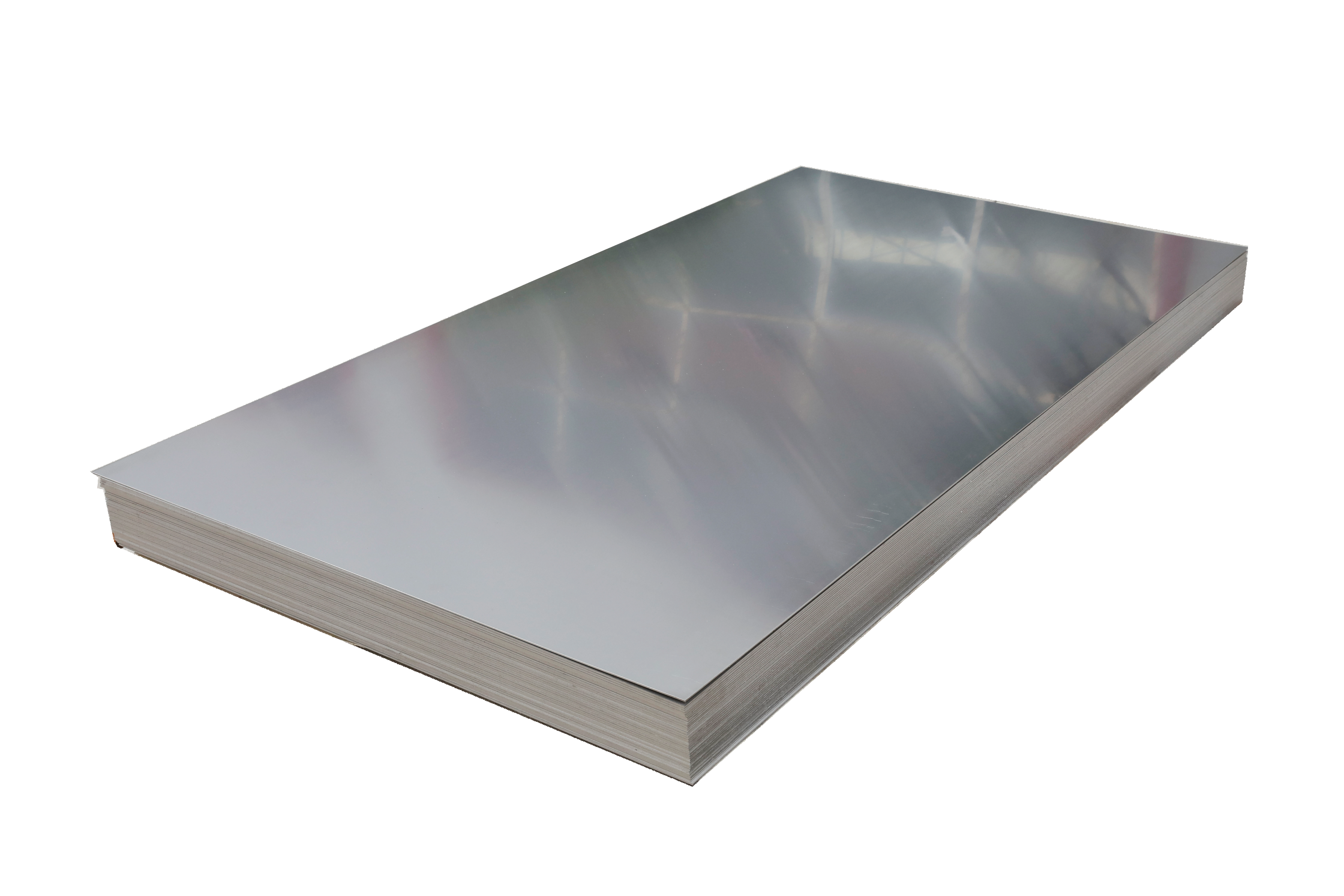
High-quality titanium plate stock, the foundation for critical components like Titanium Pressure Vessel Shells and Titanium Chemical Reactor Linings.
Step 1: Define the Application Environment and Key Requirements
Every successful titanium application starts with a clear understanding of the operating conditions. Ask these crucial questions:
- Corrosive Media: What chemicals will the material contact? Concentrations, temperatures, and pH levels are vital. Titanium excels in chloride environments (seawater, bleach), oxidizing acids, and many organic compounds, making it ideal for Titanium Seawater Cooling System Plates and Titanium Desalination Evaporator Plates.
- Mechanical & Thermal Loads: Determine the required strength, pressure ratings (key for Titanium Pressure Vessel Shells), and operating temperature range.
- Fabrication Needs: Will the material undergo Titanium Industrial Stamping, welding, or machining? Formability varies by grade.
- Industry Standards: Does the project require adherence to specific codes like ASME, PED, or NORSOK for offshore oil & gas?
Step 2: Understand the Titanium Material Forms and Their Uses
Titanium is supplied in various forms, each suited for different manufacturing routes and final components.
Plates & Sheets
The workhorse for heavy-duty components. Used for fabricating Titanium Heat Exchanger Plates, Titanium Chemical Storage Tank Plates, and large structural parts. Thickness and dimensional tolerance are critical for fit and performance.
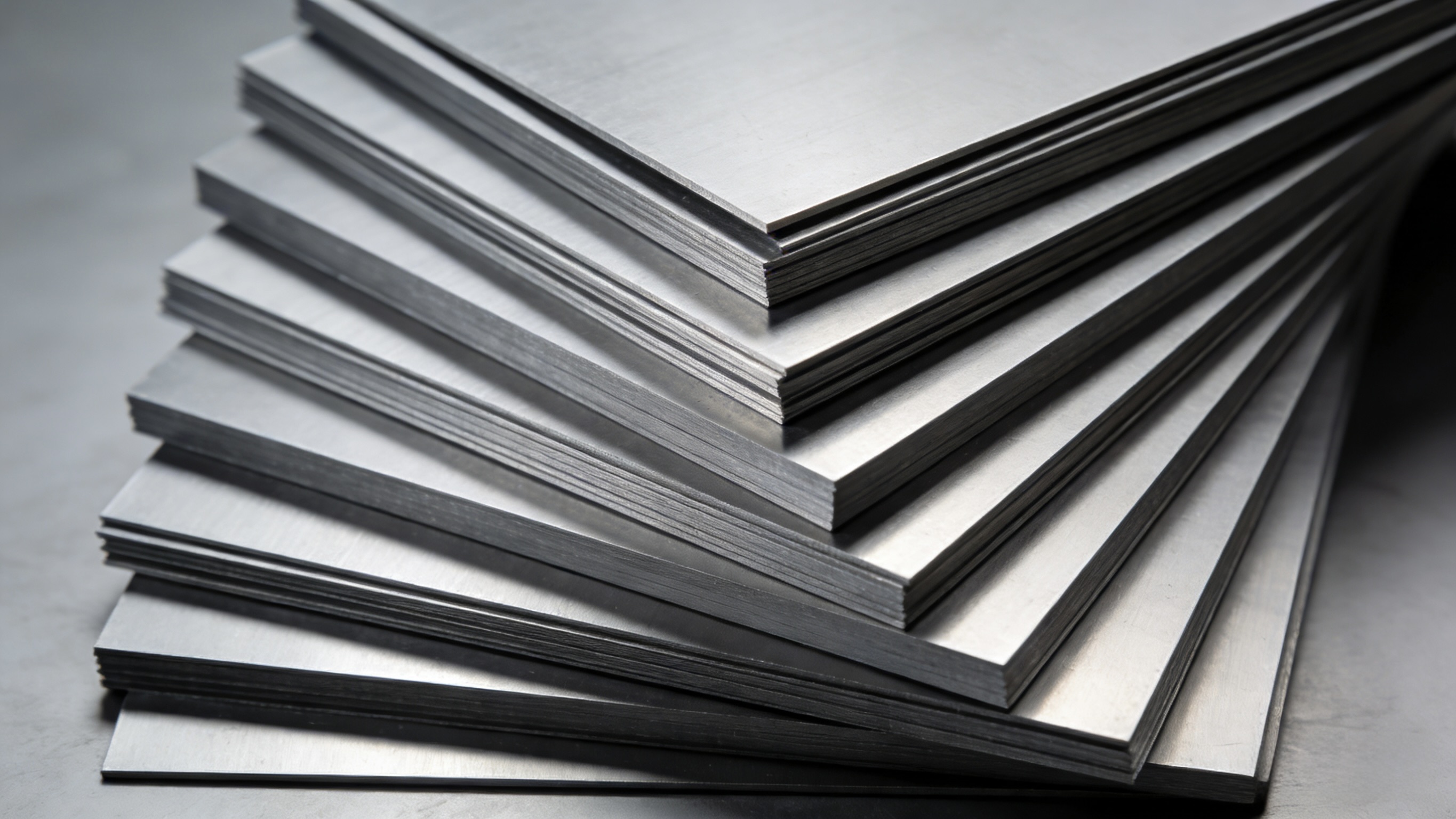
Strips & Coils
Essential for high-volume, precision parts manufacturing. Perfect for automated stamping of components like Titanium Distillation Column Trays & Internals, Titanium Electrolyzer Bipolar Plates, and even consumer goods like Titanium Button Cell casings. Consistency across the coil length is paramount.
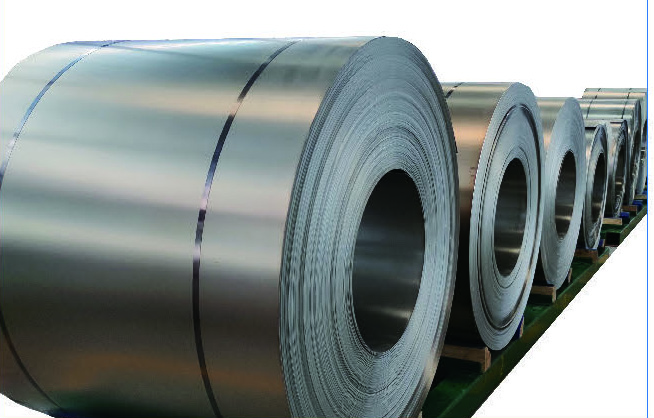
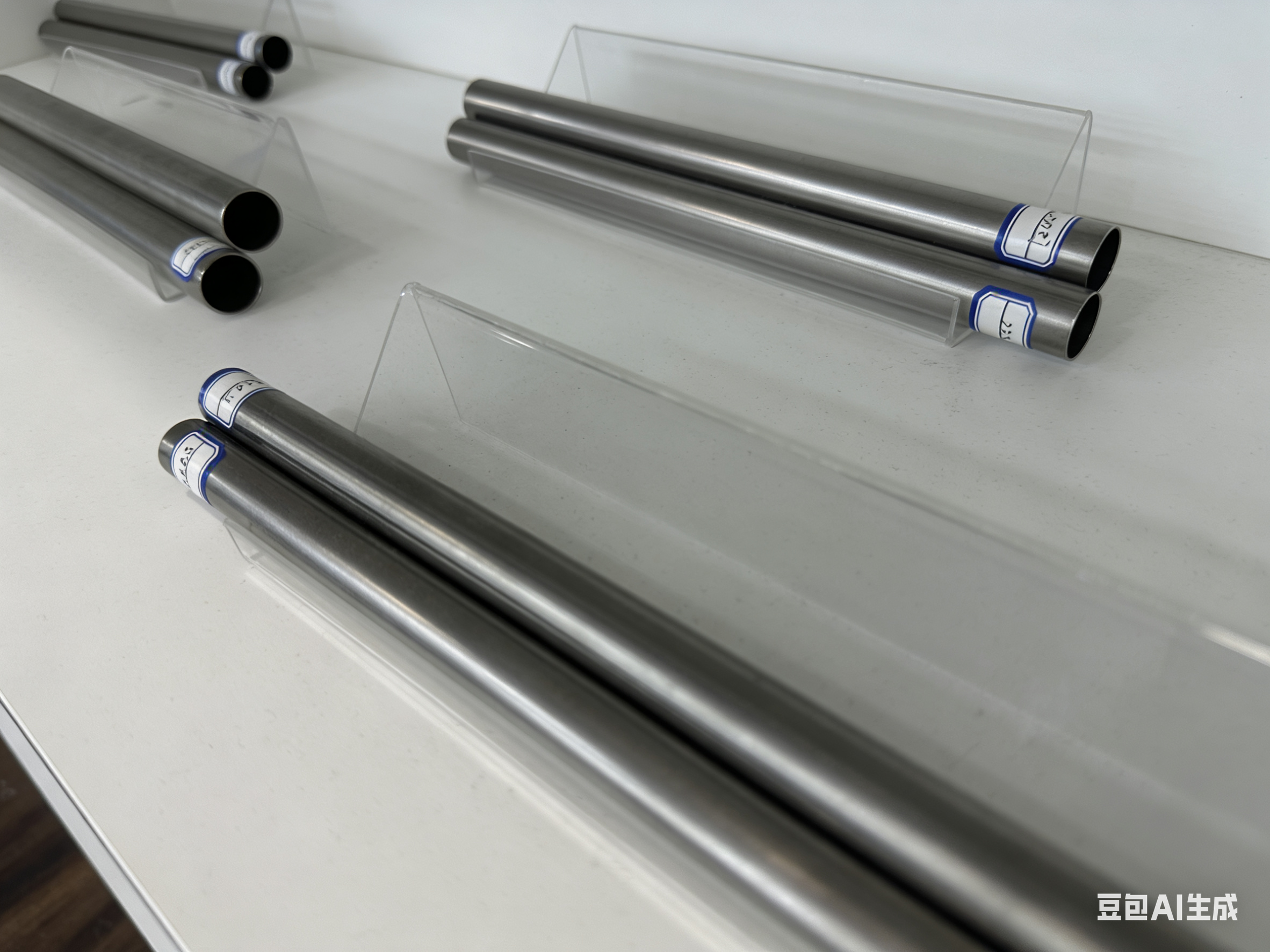
Tubes, Bars, and Wires
Used for heat exchanger tubing, fasteners, electrodes, and custom machined parts. Titanium Electrode and Titanium Anode performance often depends on the purity and microstructure of the bar or wire stock.
Step 3: Choose the Right Titanium Grade
Not all titanium is the same. The alloy composition dictates its properties.
| Grade | Key Characteristics | Ideal Applications |
|---|---|---|
| Commercially Pure (Gr 1, 2) | Excellent corrosion resistance, superior formability and weldability, moderate strength. | Titanium Chemical Reactor Linings, Titanium Evaporator Plates, Titanium cup and Titanium wok for catering. |
| Grade 5 (Ti-6Al-4V) | High strength-to-weight ratio, good corrosion resistance, can be heat treated. | Aerospace components, high-stress marine fittings, specialized medical implants. |
| Grade 7 (Ti-0.2Pd) | Enhanced corrosion resistance in reducing acid environments due to palladium addition. | Severe chemical processing environments where standard grades may be limited. |
| Grade 12 (Ti-0.3Mo-0.8Ni) | Excellent corrosion resistance in hot saline and reducing acids, good weldability. | Titanium Power Plant Condenser Plates, Titanium Seawater Cooling System Plates. |
Step 4: Evaluate the Supplier's Capabilities and Credentials
Material quality is inseparable from the manufacturer's expertise. A vertically integrated supplier like Xrun (Xiangrun (Xi'an) Titanium Materials Technology Co., Ltd.) offers distinct advantages for critical titanium application projects.
- Vertical Integration: Xrun controls the entire chain from titanium ore to finished product ("Coal – Electricity – Titanium Ore – Titanium Sponge – Titanium Processed Materials – Finished Products"). This ensures traceability, consistent quality, and supply chain stability.
- Scale and Capacity: With an annual output of over 30,000 tons of titanium coil and strip, they can support large-scale projects requiring Titanium Chemical Storage Tank Plates or thousands of Titanium Electrolysis Cell Frames & Plates.
- Technical Certification: Always verify certifications. Reputable suppliers hold accreditations like ISO9001:2015 for quality management, EN9100 for aerospace, and Nadcap for special processes. Certifications such as NORSOK (for offshore standards) and PED (for pressure equipment) are non-negotiable for many industrial titanium applications.
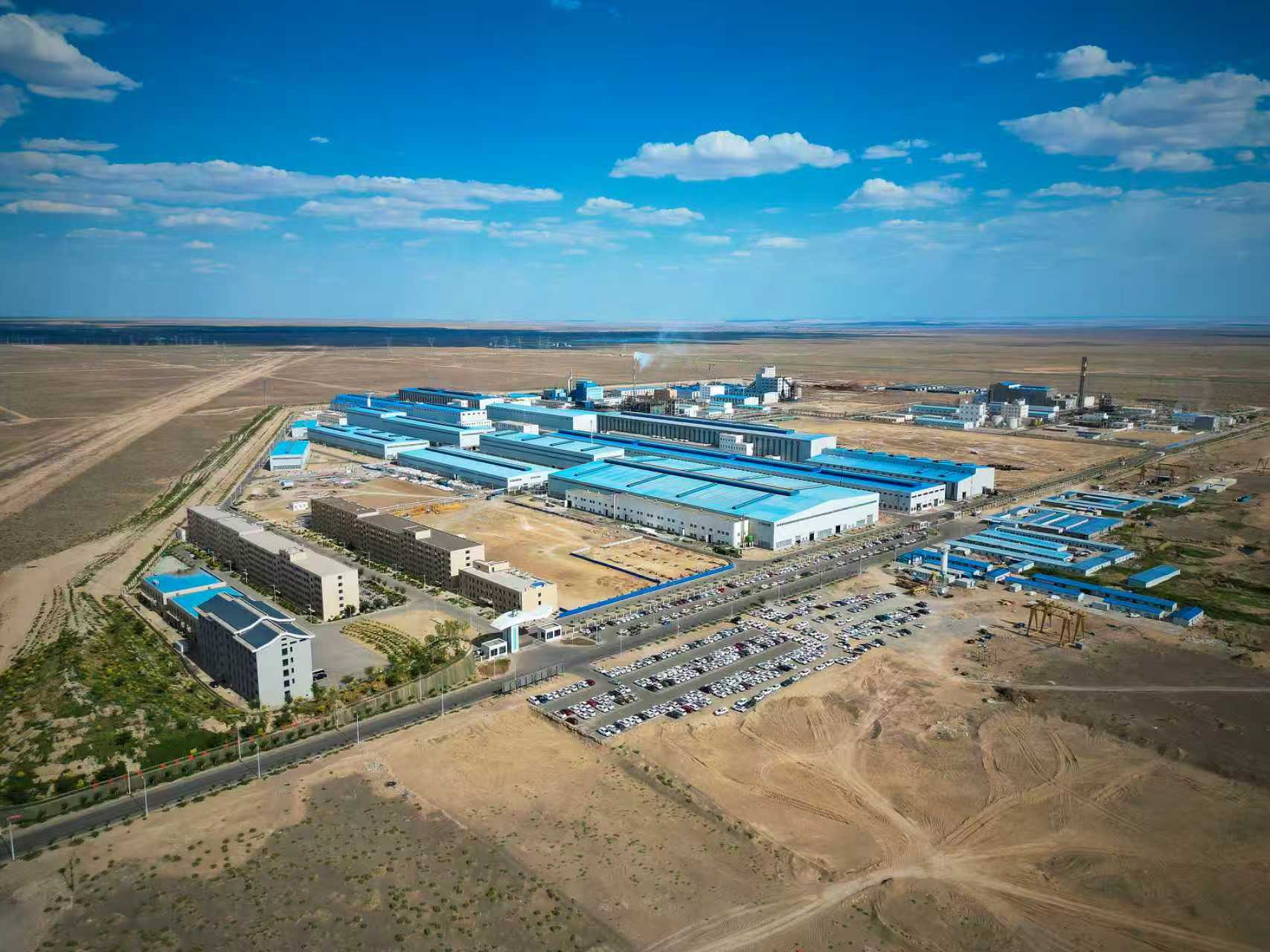
The modern manufacturing facility of Xrun, enabling precision production of titanium materials for diverse global applications.
Step 5: Consider Fabrication and Total Lifecycle Cost
While titanium has a higher initial material cost than stainless steel, its corrosion-resistant nature often makes it the most economical choice over a 20-30 year asset life.
- Reduced Maintenance: Components like Titanium Heat Exchanger Plates resist scaling and pitting, maintaining efficiency and avoiding costly shutdowns.
- Extended Service Life: Titanium Desalination Evaporator Plates can last decades in harsh seawater, whereas other materials may require frequent replacement.
- Fabrication Support: Partner with a supplier who understands Titanium Industrial Stamping and machining. Xrun's technical team can provide guidance on forming their materials into final products, whether it's a complex Titanium Electrolysis Cell plate or a durable Titanium tumbler.
Partnering for Success: The Xrun Advantage
Selecting a titanium material is ultimately about choosing a partner. Xrun has established itself as a leader by building China's first fully integrated titanium supply chain. This unique position allows them to guarantee material purity, mechanical properties, and on-time delivery for demanding projects worldwide.
Their product range directly supports the keywords of modern industry: from Titanium Pressure Vessel Shells for the chemical sector to Titanium Electrolyzer Bipolar Plates driving the green hydrogen revolution. Their certifications, including DNV for marine applications and Nadcap for aerospace-quality non-destructive testing, provide the assurance needed for mission-critical applications.
For your next project involving corrosion-resistant titanium, consider a supplier whose scope matches the ambition of your application. Contact the experts at Xrun to discuss your specific requirements for Titanium Heat Exchanger Plates, Titanium Chemical Reactor Linings, or any custom titanium application.
Contact Xrun Today:
Phone/WhatsApp: +86 18900759504
Email: simon.liu@xjxrun.com
Website: http://www.xjxrun.com
Explore their full range of capabilities and see how their vertically integrated model can benefit your supply chain for titanium materials.
Have Questions or Need More Details?
Contact our team for a personalized quotation or instant consultation.
Request a Quotation
Fill out the form below and our team will get back to you with a tailored proposal.
WhatsApp Direct Chat
Prefer to chat in real-time? Message us on WhatsApp for instant assistance & quick answers.
- Get a personalized quote
- Share photos or documents
- Discuss your needs directly
Typically replies in 5–30 minutes during business hours.