
How to Select the Right Titanium Coil for Your Industrial Application: A Comprehensive Buyer's Guide
Navigating the World of Industrial Titanium Coils
The global demand for high-performance, corrosion-resistant materials is surging, driven by advancements in sectors like aerospace, chemical processing, and marine engineering. Within this landscape, titanium coil has emerged as a critical component, prized for its exceptional strength-to-weight ratio and unparalleled resistance to harsh environments. However, with various grades, specifications, and manufacturing processes available, selecting the optimal Titanium Coil can be a complex task. This guide is designed to demystify the selection process, helping engineers, procurement specialists, and project managers make informed decisions that ensure project success, cost-efficiency, and long-term reliability.
Recent industry trends highlight a push towards supply chain consolidation and vertical integration to ensure material traceability and consistent quality—a factor where companies like Xrun (Xiangrun (Xi'an) Titanium Materials Technology Co., Ltd.) are setting new standards with their fully integrated production model.
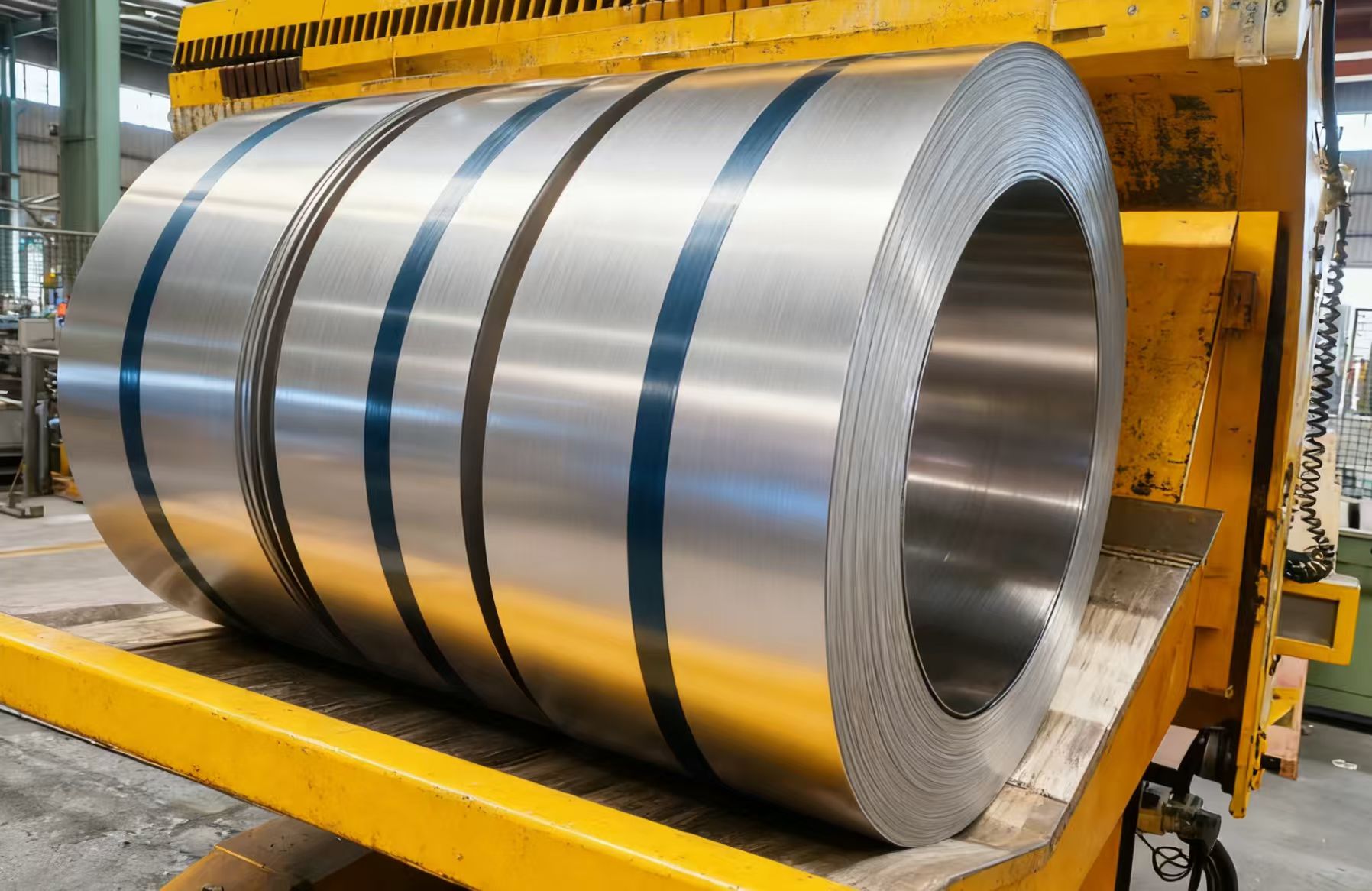
High-quality Titanium Coil ready for shipment, showcasing consistent winding and surface finish.
Key Factors to Consider When Buying Titanium Coil
Choosing the right coil is not just about the material; it's about matching the product's properties to your specific application's demands.
1. Material Grade and Specification
The journey begins with the correct alloy. Commercially pure grades (like Gr1, Gr2) offer excellent formability and corrosion resistance for chemical equipment, while titanium alloys (such as Gr5, Ti-6Al-4V) provide higher strength for aerospace Titanium Forgings or critical Titanium Bar components.
Always reference international standards. For Titanium Plate and sheet products that may be sourced from coil stock, ASTM B265 is a fundamental specification. Ensuring your ASTM B265 Titanium Coil supplier adheres to this and other relevant standards (like AMS, DIN) is non-negotiable for quality assurance.
2. Dimensions and Tolerances
Precision is paramount. Clearly define your required parameters:
- Thickness: Ranging from ultra-thin Titanium Foil to thicker Hot-rolled Titanium Strip. Tolerances here affect subsequent fabrication processes like welding or machining.
- Width: Determines the yield and efficiency for stamping or cutting operations.
- Coil Weight and ID/OD: Impacts handling, storage, and compatibility with your uncoiling equipment.
3. Manufacturing Process and Surface Quality
The production route defines the coil's characteristics. Cold-rolled Titanium Strip offers superior surface finish, tighter dimensional tolerances, and enhanced mechanical properties compared to its Hot-rolled counterpart, making it ideal for precision applications. The surface condition (e.g., pickled, bright annealed, oxide film) should be specified based on whether the coil will be further processed or used as-is.
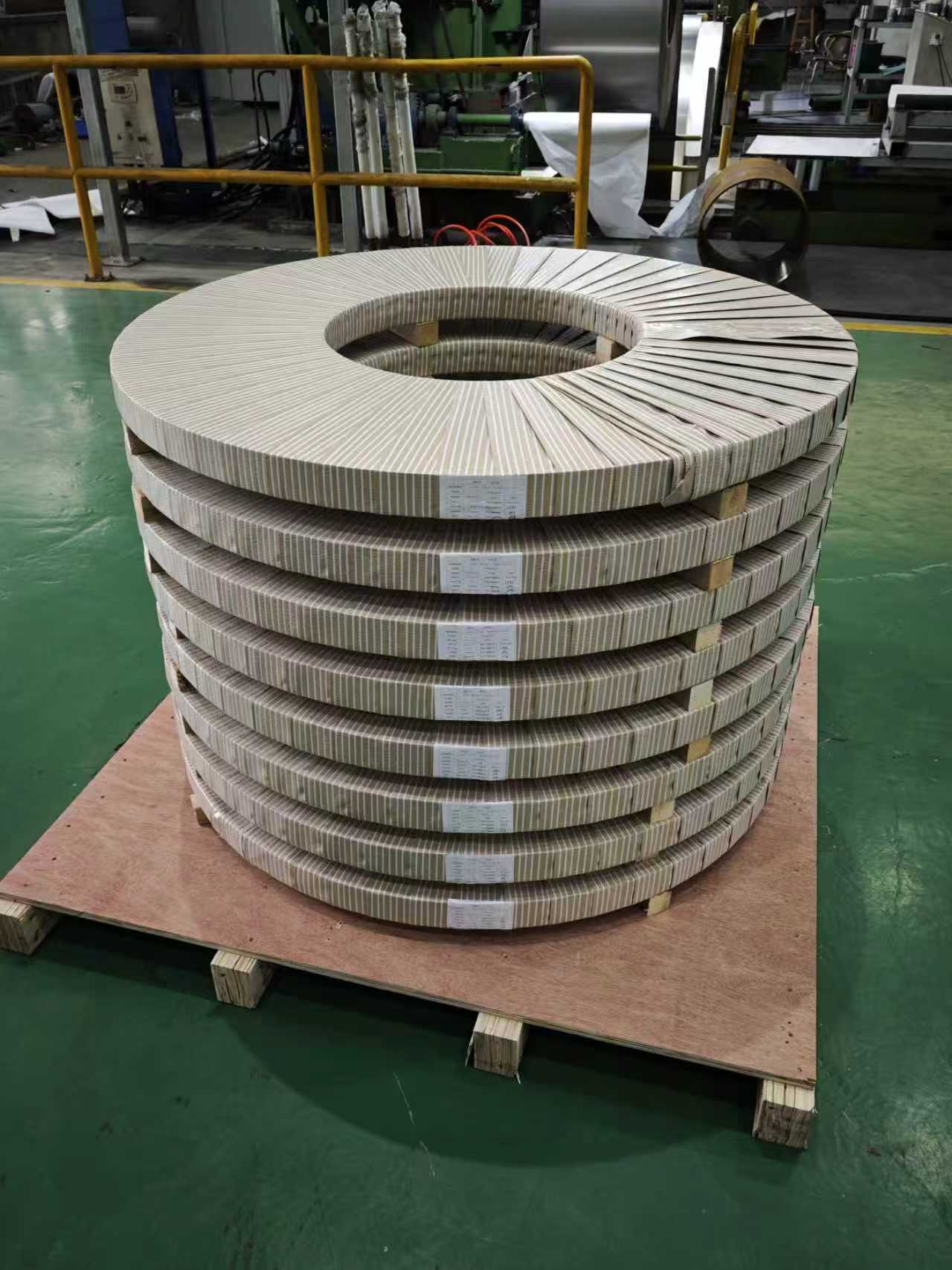
Precision Cold-rolled Titanium Strip exhibiting a uniform, clean surface ideal for critical applications.
4. Supplier Capabilities and Certifications
Your supplier's expertise is as important as the material itself. A vertically integrated manufacturer controls quality from the source. Xrun, for instance, manages the entire chain from Titanium Sponge production to finished Titanium Coil, ensuring traceability and batch-to-batch consistency.
Certifications are your objective proof of capability. Always verify:
- Quality Management: ISO 9001:2015 certification.
- Aerospace: EN9100 (AS9100) and Nadcap accreditations for Heat Treating and NDT.
- Pressure Equipment: PED (Pressure Equipment Directive) and ASME certifications.
- Marine & Offshore: DNV GL, NORSOK M-650 approvals for Titanium Pipe and plate materials.
Why Vertical Integration Matters: The Xrun Advantage
In an era of supply chain volatility, Xrun's model—spanning from "Coal – Electricity – Titanium Ore – Titanium Sponge – Titanium Processed Materials – Finished Products"—provides unmatched stability. This control allows for:
- Cost Control: Reduced exposure to raw material price fluctuations.
- Quality Assurance: Direct oversight at every stage, from melting the Titanium Ingot to rolling the final Titanium Coil.
- Scalability: With an annual capacity of over 30,000 tons of titanium rolling coils and strips, they can support large-scale projects reliably.
- Innovation: In-house R&D can optimize processes for specific end-uses, whether for Welded Titanium Tube or Titanium Casting feedstock.
This holistic approach is why Xrun titanium materials are trusted in demanding petroleum, chemical, metallurgy, catering equipment, and medical applications.
Application-Specific Selection Guidelines
Matching the coil to its end-use is critical. Here’s a quick reference:
| Application | Recommended Titanium Form | Key Considerations |
|---|---|---|
| Heat Exchangers & Condensers | Titanium Strip / Sheet from coil | Corrosion resistance in seawater/chemicals, thin gauge consistency for tube rolling. |
| Aerospace Structural Components | Alloy Titanium Coil (e.g., Gr5) | High strength, fatigue resistance, strict adherence to aerospace standards (EN9100, Nadcap). |
| Chemical Processing Vessels | CP Titanium Plate / Lined Titanium Materials | Purity, weldability, certification for pressure applications (PED). |
| Architecture & Consumer Goods | Titanium Foil, Decorative Sheet | Surface finish aesthetics, formability, consistent coloration. |
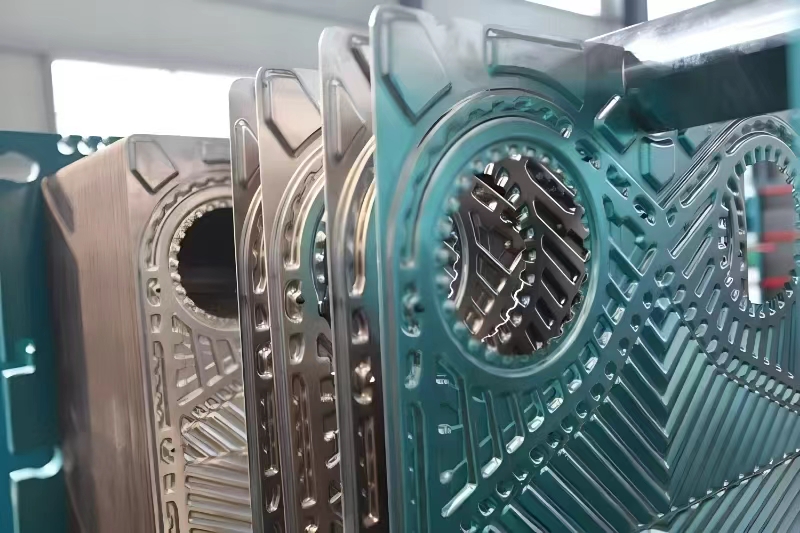
A Titanium heat exchanger manufactured from high-quality coil or sheet, demonstrating the end-use of precision titanium materials.
The Procurement Process: Steps to Success
- Define Your Requirements: Create a detailed technical data sheet (TDS) covering grade, dimensions, tolerances, mechanical properties, and certification needs.
- Identify Qualified Suppliers: Look for manufacturers with proven industry experience, a full portfolio (from Titanium Slab to Titanium Wire), and relevant certifications. Xrun's comprehensive certifications, including Nadcap and DNV, make it a qualified supplier for high-end markets.
- Request and Evaluate Quotations: Compare not just price, but also lead time, packaging, testing reports (MTC), and after-sales support.
- Conduct Supplier Audits (if possible): Assess production facilities, quality control labs, and technical support capabilities. A supplier's investment in advanced rolling mills and automatic control systems, as Xrun has done, directly translates to product quality.
- Place a Trial Order: For new suppliers or critical applications, a small trial order to verify quality and performance is a prudent step.
Conclusion: Partnering for Performance
Selecting the right Titanium Coil is a strategic decision that impacts the performance, safety, and longevity of your final product. By focusing on material specifications, manufacturing quality, and supplier credentials, you can mitigate risk and secure a reliable supply of this premium material. In a competitive global market, partnering with a technologically advanced, vertically integrated producer like Xrun offers a significant advantage, providing not just a product, but a complete, traceable, and high-performance titanium material solution.
For technical consultations or to discuss your specific Titanium Coil, Titanium Strip, or other Titanium Materials requirements, contact the experts at Xrun.
Xiangrun (Xi'an) Titanium Materials Technology Co., Ltd. (Xrun)
Phone/WhatsApp: +86 18900759504
Email: simon.liu@xjxrun.com
Website: http://www.xjxrun.com
Address: Room 11F/15F, Vanke Center, Weiyang Road, Xi’an, Shaanxi, China
Have Questions or Need More Details?
Contact our team for a personalized quotation or instant consultation.
Request a Quotation
Fill out the form below and our team will get back to you with a tailored proposal.
WhatsApp Direct Chat
Prefer to chat in real-time? Message us on WhatsApp for instant assistance & quick answers.
- Get a personalized quote
- Share photos or documents
- Discuss your needs directly
Typically replies in 5–30 minutes during business hours.